
Introduction to Suspension Training
Strength training is essential for improving longevity, especially for seniors. However, traditional exercises like squats and push-ups can be challenging due to joint pain or muscle weakness. Joint-friendly suspension training offers a solution, allowing you to perform bodyweight exercises with reduced strain on your joints.

Why Choose Suspension Training?
Suspension straps, like the Auros brand, provide an affordable alternative to TRX straps, costing only a fraction of the price. These straps enable you to adjust the intensity of your workouts simply by shifting your body position. This adaptability makes suspension training an excellent choice for seniors who need to minimize impact while still engaging in effective strength training.
Getting Started with Suspension Straps
Before diving into specific exercises, ensure your suspension straps are securely anchored. Once set, you can perform a variety of movements targeting different muscle groups. Here’s a breakdown of effective exercises to incorporate into your routine.
Full Body Workout with Suspension Straps
1. Chest Press
The chest press mimics the bench press or push-up but with less body weight involved. Stand facing away from the anchor point, hold the straps, and walk your feet back to adjust difficulty. Keep your elbows at a 45-degree angle and lower until your chest is level with the handles. Aim for 10-12 repetitions.
2. Row
For a balanced workout, the row targets your back. Face the anchor point, lean back, and pull your elbows towards your sides. Adjust your position to make the exercise easier or harder. Ensure that your feet are stable to avoid slipping, especially on smooth surfaces.
3. Tricep Extensions
To isolate the triceps, walk away from the anchor point and bring your head down to the handles. Keep your elbows fixed and extend your arms. As with other exercises, adjust your position for difficulty, aiming for 10-12 repetitions.
4. Bicep Curls
For bicep work, turn around and walk back from the anchor. Pinch your elbows to your sides and curl your arms. This isolates the biceps and brachialis effectively. Again, strive for 10-12 repetitions.
5. Squats
Suspension training is particularly helpful for those with knee pain when performing squats. By holding onto the straps, you can sit back into a squat while using the support to maintain balance. Focus on sitting back and standing up, or try single-leg squats for a greater challenge.
6. Elevated Bridge
To work your glutes and hamstrings, perform an elevated bridge. Place your feet in the straps and lift your hips while maintaining a neutral spine. Squeeze your glutes at the top of the movement. This is a great way to strengthen your lower body without excessive strain.
7. Hamstring Curls
While in an elevated position, perform hamstring curls by bending and straightening your knees. Keep your hips elevated throughout the movement to maximize effectiveness.
Conclusion: Next Steps for Your Fitness Journey
Incorporating joint-friendly suspension training into your routine can significantly enhance your strength and overall wellbeing. Aim for consistency and adjust the difficulty of each exercise according to your ability. With dedication, you can achieve a stronger, more active lifestyle without the risk of injury. For more tips on maintaining your fitness as you age, visit our website.
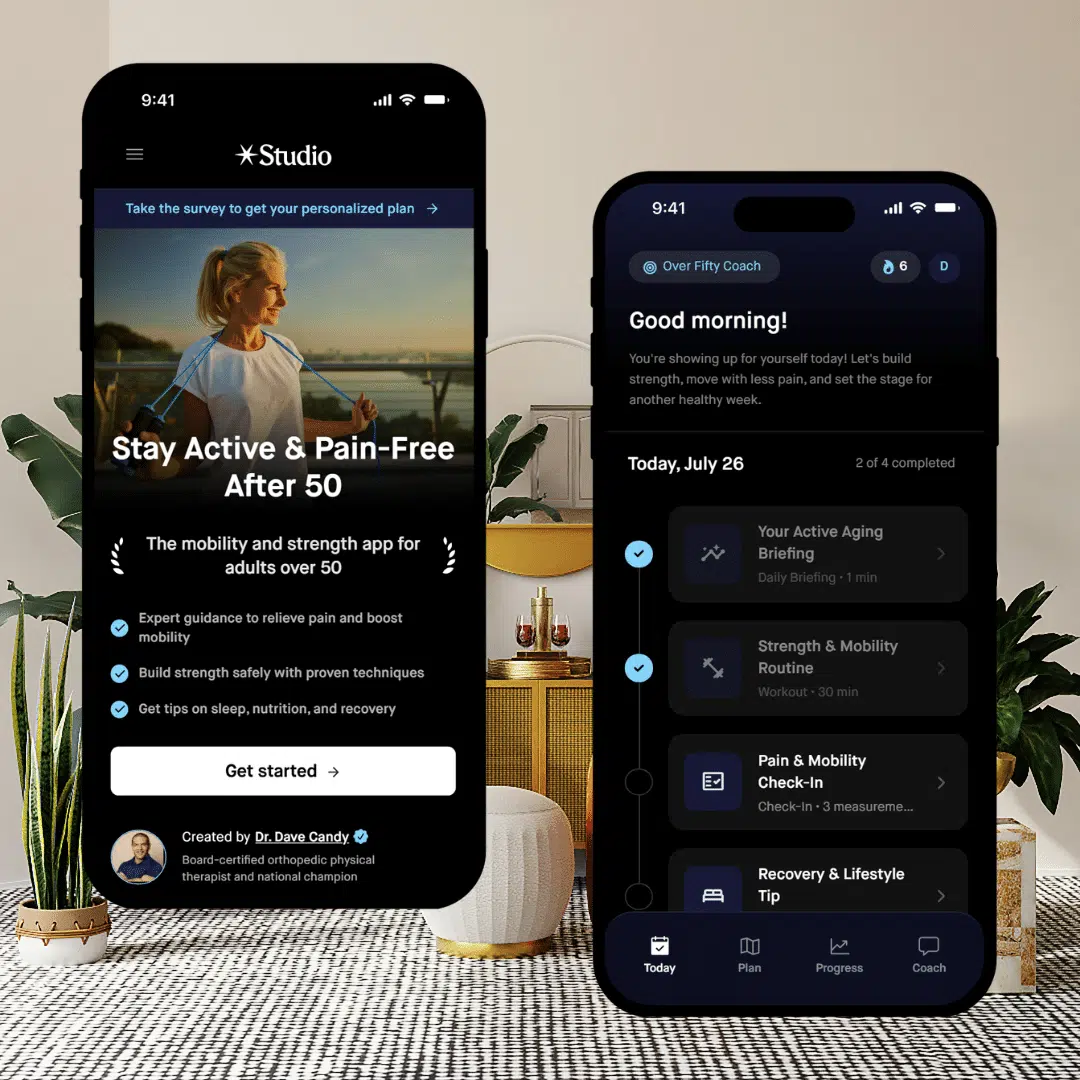
Need Help To Stay Strong and Mobile After 50?
Affiliate Disclosure: This post contains affiliate links to Amazon and/or other sites. While I only recommend products that I trust, as an Amazon Associate, I earn commission from qualifying purchases at no extra cost to you.
Medical Disclaimer: The content on this site is for educational and informational purposes only and is not intended as medical advice. Always consult with a qualified healthcare professional before beginning any new exercise program, diet, or supplement regimen, especially if you have pre-existing health conditions.