
Understanding Scoliosis in Adults Over 60
If you’re over 60 and feel like you’re standing crooked, this guide is for you. Many adults may not realize they have scoliosis, which typically arises from sustained asymmetrical postures over decades. These postures can include habits like leaning to one side while sitting or standing, or carrying a bag on one shoulder.
What Causes Scoliosis?
Scoliosis in adults often develops due to certain habits that lead to uneven muscle development. The muscles on the concave side of the curvature become tight, while those on the convex side become weak. Recognizing these patterns is crucial for effective treatment.
Simple Treatment for C-Curve Scoliosis
One effective method to treat scoliosis in adults is to stretch the muscles on the concave side of the curve while strengthening the muscles on the convex side. For C-curve scoliosis, the following exercise can help:
Stretching and Strengthening Exercise
1. Stand tall and place your hand on the concave side of your curve, reaching over your head.
2. Take a deep breath, filling the rib cage on that side while reaching up towards the ceiling. This stretches the tight muscles and encourages a return to midline.
3. Simultaneously, engage your oblique muscles to help strengthen the convex side by bending away from the curve.
4. Repeat this movement for five to ten breaths, incorporating it into your daily routine.
Addressing S-Curve Scoliosis
S-curve scoliosis is more complex due to its dual curvature. Here’s how to approach treatment:
Exercises for S-Curve Scoliosis
1. Focus first on the lumbar curve. Bend your rib cage towards the opposite pelvis while engaging your oblique muscles.
2. Reach your arm upwards to promote a side bend in the thoracic area.
3. As you breathe in, focus on expanding the rib cage in the same direction as the obliques. Breathe out while maintaining the position, repeating for five to ten deep breaths.
4. For added support, perform this exercise against a wall. Push your pelvis into the wall while reaching your arm up, allowing for a guided side bend.
Considerations for Effective Treatment
It’s essential to start these exercises with a level pelvis. If you suspect a leg length discrepancy, it could contribute to your scoliosis. Addressing this issue can greatly improve your posture and comfort. If you’re unsure about your leg lengths, consult a physical therapist for proper guidance.
Next Steps for Managing Scoliosis
Incorporating these exercises into your daily routine is vital for managing scoliosis effectively. Always listen to your body and consult with a healthcare professional to ensure the exercises are suitable for your condition.
For more in-depth guidance, consider exploring resources specific to leg length discrepancies or postural assessments. Taking proactive steps can help you regain your balance and improve your quality of life.
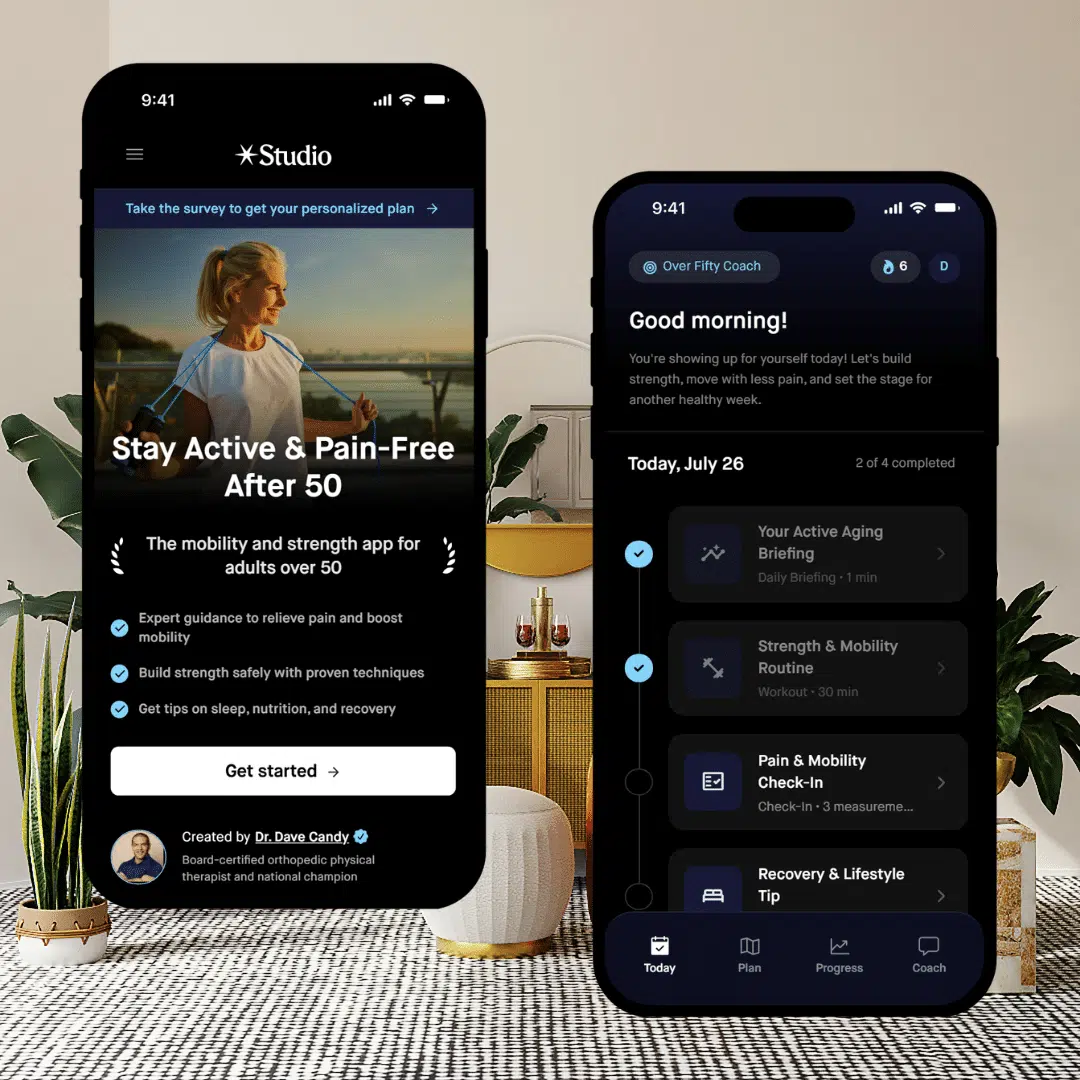
Need Help To Stay Strong and Mobile After 50?
Affiliate Disclosure: This post contains affiliate links to Amazon and/or other sites. While I only recommend products that I trust, as an Amazon Associate, I earn commission from qualifying purchases at no extra cost to you.
Medical Disclaimer: The content on this site is for educational and informational purposes only and is not intended as medical advice. Always consult with a qualified healthcare professional before beginning any new exercise program, diet, or supplement regimen, especially if you have pre-existing health conditions.