
Understanding Hip Pain When Climbing Stairs
If you experience hip pain going upstairs, you’re not alone. This common issue can significantly impact daily activities, but there is hope. In this post, we will explore a simple three-step system designed to help you climb stairs comfortably without hip pain.
What Causes Hip Pain When Climbing Stairs?
To effectively address hip pain, it’s essential to understand its causes. Think of hip pain as the tip of an iceberg; the visible symptoms are just a small part of a larger issue beneath the surface.
Common causes of hip pain when climbing stairs include:
- Hip arthritis
- Labral tears
- Hip bursitis or gluteal tendinopathy
- IT band syndrome
While medications or injections may alleviate symptoms, they often do not address the underlying problems. Many times, hip pain stems from faulty movement patterns that need correction.
Identifying Faulty Movement Patterns
Improper movement patterns, such as the knee collapsing inward or the pelvis dropping, can exacerbate hip pain. These issues often arise from weakness in the hip and glute muscles, which are crucial for maintaining proper alignment when climbing stairs.
Additionally, weak foot muscles can destabilize your foundation, further complicating matters. Therefore, it’s vital to correct your movement patterns and strengthen the associated muscles.
The Three-Step System to Alleviate Hip Pain
Here’s a straightforward three-step system to help you climb stairs without experiencing hip pain.
Step 1: Master Two-Legged Movement Patterns
Begin by reinforcing correct movement patterns with a modified squat. Stand in front of a chair for safety and follow these steps:
- Dome your arch by gripping the ground with your toes, lifting your foot’s arch.
- Turn your knees outward to engage your hip external rotators.
- Perform a controlled squat: go down slowly and return up quickly.
Keep your hips and knees aligned throughout. Aim for 10 repetitions while maintaining proper form.
Step 2: Strengthen One-Legged Balance
Once you’re comfortable with the two-legged squat, it’s time to shift to one-legged exercises. This step improves balance and prepares you for stair climbing:
- Hold onto a stable surface for support.
- Dome your arch and turn your knee outward.
- Lift your non-stance leg while maintaining a level pelvis.
Perform 5-10 repetitions on each leg. This exercise will enhance your balance and hip strength.
Step 3: Begin Stair Climbing
Now that you’ve built a foundation, it’s time to practice climbing stairs:
- Start with a lower step or an aerobic step.
- Position your foot on the stair, dome your arch, and ensure proper alignment.
- Step up using your heel, focusing on controlled movement: go down slowly and come up quickly.
As your strength improves, gradually increase the step height. Perform 10 repetitions.
Tips for Climbing Stairs While Strengthening
While working through this system, you may need to climb stairs during your daily routine. Here are a few tips to ease the process:
- Use handrails whenever possible for support.
- Take smaller steps to minimize strain on your hips.
- Maintain good posture while ascending and descending.
Consistency is key. As you practice these exercises and tips, you’ll notice improvement over time, but be patient—this process can take days, weeks, or even months.
Next Steps
Implementing these three steps can significantly reduce hip pain when climbing stairs. Remember, proper movement patterns and strengthening exercises are essential for long-term relief. If the pain persists, consider consulting a physical therapist for personalized guidance.
With dedication and the right approach, you can regain your mobility and enjoy stair climbing without discomfort.
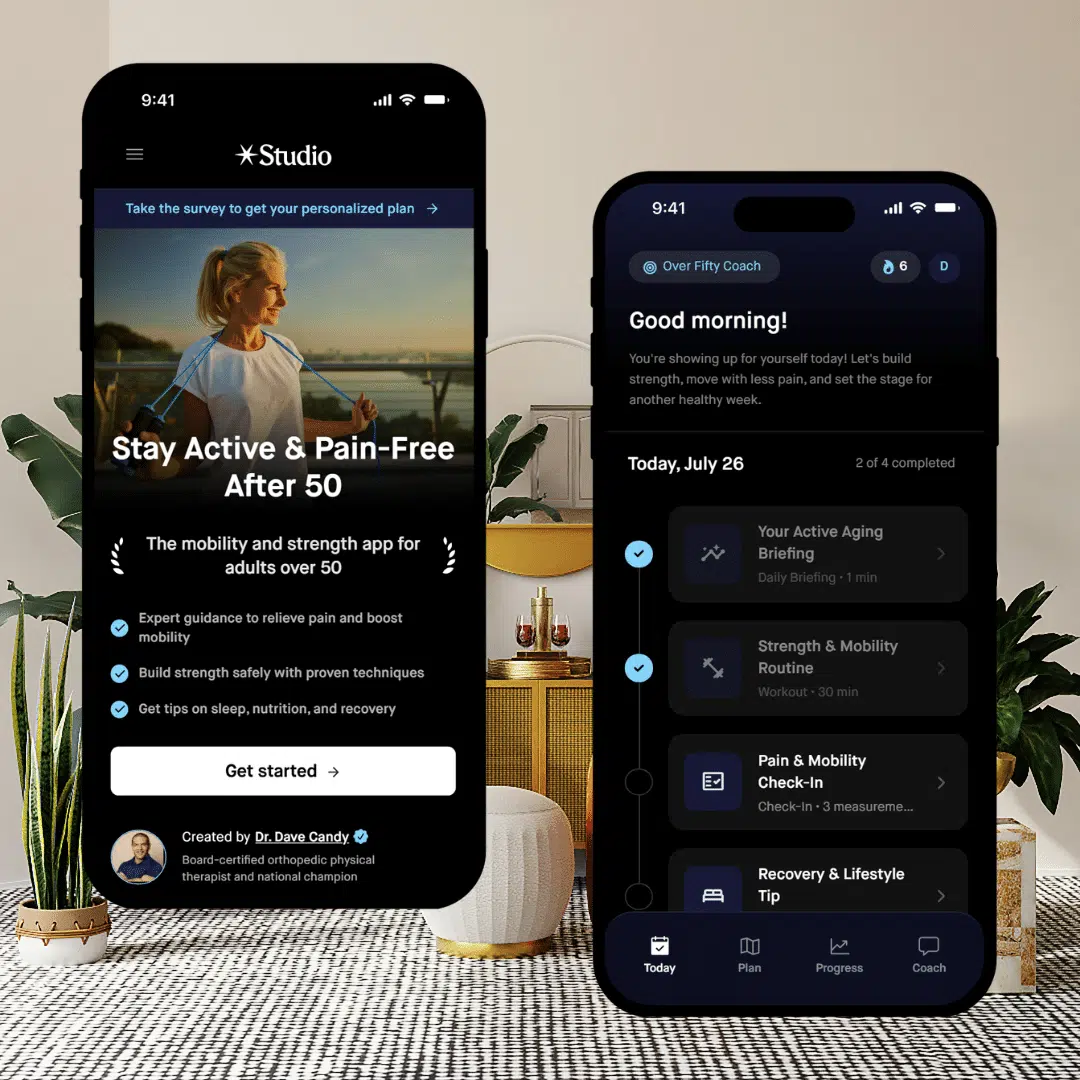
Need Help To Stay Strong and Mobile After 50?
Affiliate Disclosure: This post contains affiliate links to Amazon and/or other sites. While I only recommend products that I trust, as an Amazon Associate, I earn commission from qualifying purchases at no extra cost to you.
Medical Disclaimer: The content on this site is for educational and informational purposes only and is not intended as medical advice. Always consult with a qualified healthcare professional before beginning any new exercise program, diet, or supplement regimen, especially if you have pre-existing health conditions.