
Are You Declining Faster Than Normal? Take This Test
As we age, the fear of physical decline can become overwhelming, especially for those over 60. While it’s normal to slow down, how can you determine if your physical function is declining faster than your peers? This guide outlines a simple set of tests known as the Senior Fitness Test. These tests can help you assess your fitness level and identify areas for improvement.
The Senior Fitness Test Overview
The Senior Fitness Test has been validated through numerous research studies and offers valuable insights into your physical health. It consists of several tests that measure strength, flexibility, and endurance. By completing these tests, you can compare your performance to age and sex-related norms.
1. 30-Second Chair Stand Test
This test assesses your lower body strength, which is essential for daily activities like standing up from a chair. To perform this test, sit in a sturdy chair and stand up completely, then sit back down. Count the number of repetitions you can complete in 30 seconds.
Once completed, compare your score against the normative values provided for your age and sex. P50 represents the average, while P10 and P90 indicate the lower and upper percentiles, respectively.
2. 30-Second Arm Curl Test
This test measures upper body strength. For men, use 8 lb dumbbells, and for women, use 5 lb dumbbells. Count how many curls you can perform in 30 seconds. Again, compare your results to the normative tables to see where you stand.
3. Sit and Reach Test
To measure lower body flexibility, sit on the edge of a chair, extend one leg, and try to reach your toes. Measure the distance from your fingertips to your toes. A positive score indicates you can reach beyond your toes, while a negative score means you can’t.
4. Back Scratch Test
This test evaluates upper body flexibility. Reach one hand over your shoulder and the other behind your back. Measure the distance between your fingertips. A negative score indicates a lack of flexibility, while a positive score means you can overlap your fingers.
5. 8-Foot Up-and-Go Test
This test measures your mobility. From a seated position, stand up, walk 8 feet, circle around a cone, and return to your chair. Time yourself and note your score for comparison.
6. 6-Minute Walk Test
Walk for 6 minutes and measure how far you can go. If you have access to a track, one lap is 400 meters. Count the number of laps and additional distance to find your score.
7. Step-Up Test
This alternative endurance test involves stepping up and down for 2 minutes. Count the number of steps taken to gauge your endurance.
Improving Your Scores
Identifying areas of weakness is the first step towards improvement. To enhance your performance in these tests, practice the specific movements regularly. For example, if you struggled with the chair stand test, practice sitting and standing from a chair. If the arm curl test was challenging, incorporate upper body strengthening exercises into your routine.
Additionally, consider incorporating regular walking sessions to improve your endurance and overall fitness. Consistency is key to seeing progress.
Conclusion: Take Action Today
Now that you have a clear understanding of how to assess your physical health, it’s time to take action. Perform the Senior Fitness Test and note your scores. Use this information to create a targeted exercise routine that addresses your weaknesses and enhances your overall well-being. Remember, regular practice can lead to significant improvements in your physical function.
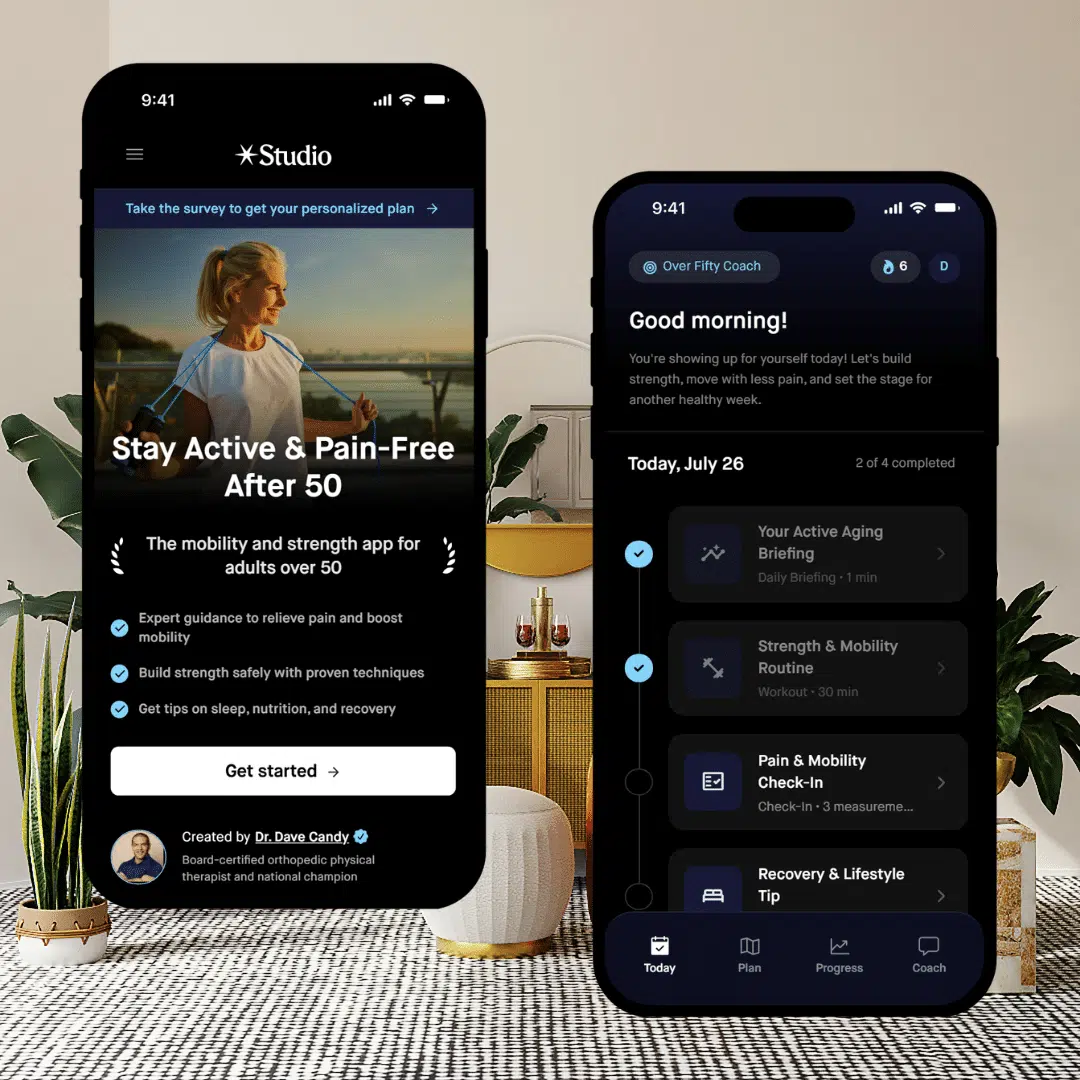
Need Help To Stay Strong and Mobile After 50?
Affiliate Disclosure: This post contains affiliate links to Amazon and/or other sites. While I only recommend products that I trust, as an Amazon Associate, I earn commission from qualifying purchases at no extra cost to you.
Medical Disclaimer: The content on this site is for educational and informational purposes only and is not intended as medical advice. Always consult with a qualified healthcare professional before beginning any new exercise program, diet, or supplement regimen, especially if you have pre-existing health conditions.