
Understanding the Importance of Blood Circulation
Improving blood circulation in your legs and feet is crucial, especially for seniors. Good circulation ensures that your muscles receive the necessary nutrients and oxygen for optimal functioning. Without it, you may experience various issues such as ulcers, neuropathy, leg pain, and coldness in the toes. In this post, we will discuss the top four ways to enhance circulation in your legs, focusing on actionable and effective strategies.
1. Revamp Your Diet
Your diet plays a vital role in improving blood circulation in your legs. To support vascular health, focus on reducing saturated fats and sugars. Excessive saturated fats can lead to cholesterol deposits in your arteries, narrowing them and restricting blood flow. Similarly, high sugar intake can damage arterial walls, compounding circulation issues.
To enhance circulation, prioritize:
- Fresh fruits and vegetables
- Whole grains
- Lean proteins
- Healthy fats such as nuts and olive oil
Avoid high-fat meats and full-fat dairy products, which can contribute to arterial blockages. By adopting a heart-healthy diet, you’ll significantly improve your overall circulation.
2. Engage in Aerobic Exercise
Aerobic exercise is essential for maintaining a healthy heart, which in turn supports circulation in your legs. The American Heart Association recommends at least 150 minutes of moderate-intensity aerobic activity each week. This can be achieved through brisk walking, swimming, cycling, or any activity that elevates your heart rate.
If you’re unable to perform a full 30 minutes of exercise at a time, consider breaking it into smaller sessions. For example, aim for:
- Two 15-minute sessions
- Three 10-minute sessions
- Six 5-minute sessions
Consistency is key. Aim for daily activity to maximize the benefits for your circulation.
Choosing the Right Activities
When selecting exercises, consider your physical condition. If walking causes pain, try other forms of aerobic exercise such as:
- Using an exercise bike
- Water aerobics
- Swimming
Any activity that elevates your heart rate will help improve circulation in your legs and overall health.
3. Improve Fascial Mobility
The fascia is a connective tissue that surrounds your muscles. Improving its mobility can enhance blood flow in your legs. If the fascia is stiff, it can constrict blood vessels, leading to reduced circulation.
To enhance fascial mobility, consider:
- Gentle stretching exercises
- Using a foam roller or massage stick on tight areas
- Targeting trigger points in your calves and thighs
By releasing tight knots and improving the flexibility of your fascia, you can facilitate better blood flow to your leg muscles.
4. Activate the Muscle Pump
While less critical than diet and aerobic exercise, activating the muscle pump can still play a role in improving circulation in your legs. The muscle pump action helps push blood through your veins back to your heart.
To activate the muscle pump, try:
- Performing ankle pumps by flexing and pointing your toes
- Leg extensions to engage your thigh muscles
- Simple squats or calf raises
While these exercises are beneficial, they should complement, not replace, healthy dietary and aerobic habits.
Conclusion: Take Action for Better Circulation
Improving blood circulation in your legs is achievable through intentional dietary choices, consistent aerobic exercise, enhanced fascial mobility, and muscle pump activation. By prioritizing the top two strategies—diet and aerobic exercise—you set a strong foundation for long-term vascular health.
If you’re experiencing significant issues with circulation, consider consulting a healthcare professional, especially if you have underlying conditions. Remember, small changes can lead to significant improvements in your leg circulation and overall well-being.
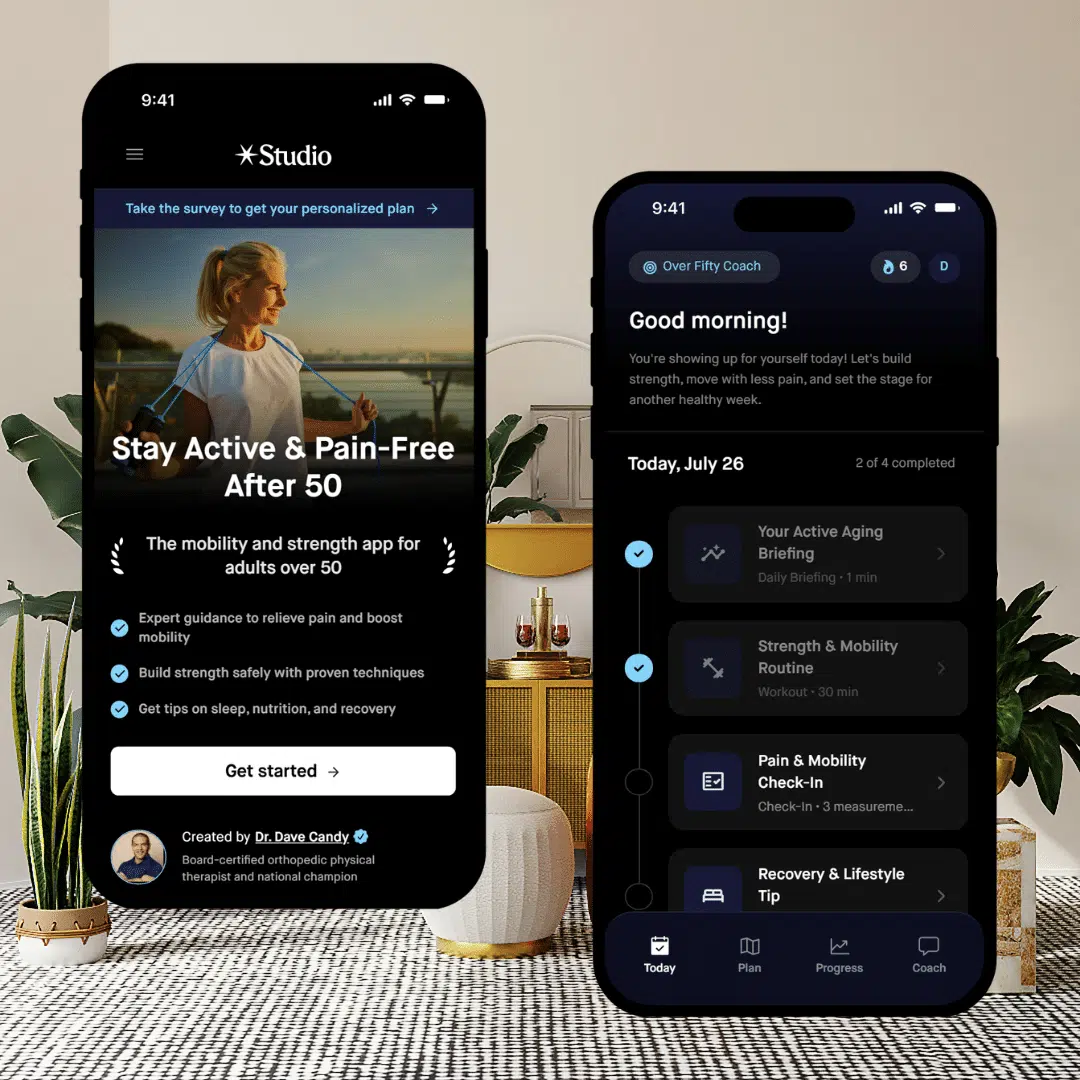
Need Help To Stay Strong and Mobile After 50?
Affiliate Disclosure: This post contains affiliate links to Amazon and/or other sites. While I only recommend products that I trust, as an Amazon Associate, I earn commission from qualifying purchases at no extra cost to you.
Medical Disclaimer: The content on this site is for educational and informational purposes only and is not intended as medical advice. Always consult with a qualified healthcare professional before beginning any new exercise program, diet, or supplement regimen, especially if you have pre-existing health conditions.