
Understanding Lower Back Pain When Sitting
Lower back pain when sitting for extended periods is a common issue that many people face. This discomfort can stem from various factors, including muscle stiffness and pressure on the spine’s discs. When we sit for too long, our muscles can become tense, and the lack of movement can hinder blood circulation, leading to discomfort.
Tip 1: Utilize the Back Rest
One of the most effective ways to alleviate lower back pain when sitting is to use the back rest of your chair. Instead of sitting upright at the edge of the seat, lean back and allow your back to rest against the support. This positioning reduces the strain on your muscles by offloading some of the pressure on your spine, decreasing the likelihood of stiffness and pain.
Tip 2: Implement Lumbar Support Wisely
Using lumbar support can be beneficial, but it’s essential to position it correctly. A rolled-up towel can serve as an effective lumbar support tool. Place it at the flatter parts of your back, above or below the apex of your spine, rather than at the most arched area. This approach helps to create a smoother curve in your lower back, promoting better posture and reducing pressure on the discs.
Tip 3: Experiment with Foot Rests
Foot rests can significantly affect your sitting posture. For optimal comfort, adjust your foot rest height to find what feels best for you. If your hips are close to a 90° angle, you may feel more comfortable. Additionally, a higher foot rest can promote better spinal alignment, especially if you have excessive arching in your back.
Tip 4: Change Your Sitting Position
To prevent lower back pain, it’s crucial to alter your sitting position regularly. Shifting between an anterior and posterior pelvic tilt can help reduce stiffness during prolonged sitting. Incorporate gentle pelvic tilt exercises to encourage movement and blood flow in your lower back, especially during long meetings or drives.
Tip 5: Balance Your Sitting Posture
Maintaining balance in your sitting position is vital. Avoid leaning excessively to one side, which can create muscle imbalances and pinching sensations. If you tend to favor one side of your chair, consider using pillows to keep your weight evenly distributed. Alternating your sitting position can also alleviate discomfort.
Conclusion: Take Action Against Lower Back Pain
By incorporating these five tips into your daily routine, you can significantly reduce lower back pain when sitting. Remember to utilize your chair’s back rest, adjust your lumbar support, experiment with foot rests, change your sitting position, and balance your posture. Making these adjustments will not only enhance your comfort while sitting but also promote overall spinal health.
If you experience back pain when standing or walking, consult with a healthcare professional for tailored advice and treatment options.
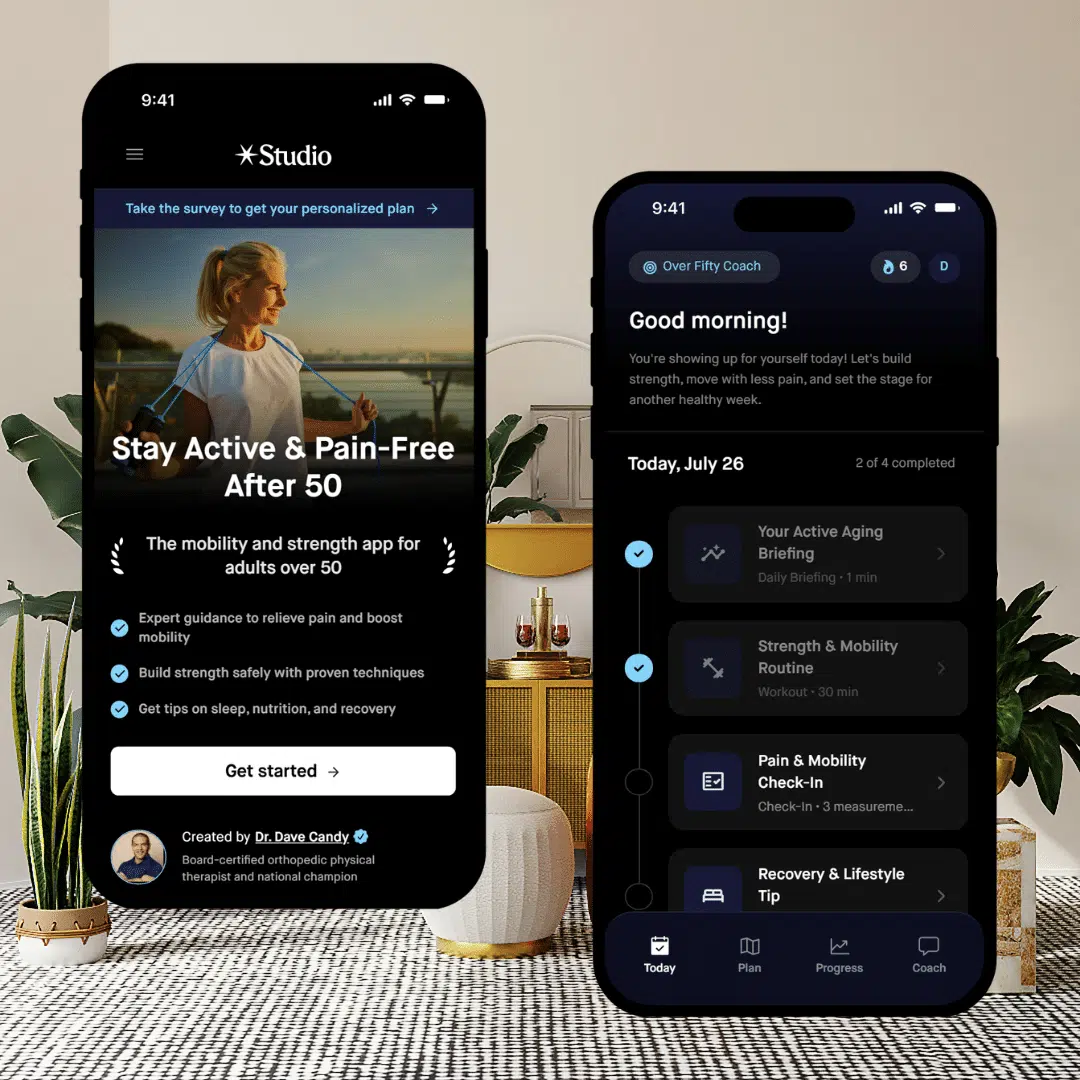
Need Help To Stay Strong and Mobile After 50?
Affiliate Disclosure: This post contains affiliate links to Amazon and/or other sites. While I only recommend products that I trust, as an Amazon Associate, I earn commission from qualifying purchases at no extra cost to you.
Medical Disclaimer: The content on this site is for educational and informational purposes only and is not intended as medical advice. Always consult with a qualified healthcare professional before beginning any new exercise program, diet, or supplement regimen, especially if you have pre-existing health conditions.