
Understanding Knee Crunching, Grinding, and Cracking Sounds
If you experience crunching, grinding, or cracking sounds in your knee while moving, squatting, or going downstairs, you’re not alone. These noises, known as knee crepitus, can be concerning, but they often aren’t a cause for alarm. This blog post will explore the causes of these sounds and provide actionable solutions to help alleviate them.
When Should You Be Concerned?
The general consensus among health professionals is that if your knee makes crunching or grinding sounds without pain, it may not be serious. However, it’s essential to pay attention to these sounds as they can indicate underlying mechanical issues in your knee. Just like high blood pressure signals a need for action, knee sounds can suggest that it’s time to address potential problems before they escalate.
Causes of Crunching or Grinding in the Knee
1. Patellofemoral Issues
The first source of crunching sounds can be attributed to the patellofemoral joint – the area where your kneecap meets your thigh bone. If the kneecap tracks improperly, it may rub against the groove in the femur, causing those undesirable noises.
2. Compression from Thigh Muscles
Excessive compression of the kneecap can occur when your thigh muscles, particularly the quadriceps, are overly dominant. When these muscles contract during activities like squatting, they can push the kneecap against the thigh bone, resulting in grinding sounds.
3. Arthritis and Joint Space Loss
Another potential cause of knee crepitus is arthritis, which can lead to loss of joint space within the knee. This condition may create grinding noises as the joint surfaces interact in an abnormal manner.
4. Meniscus Tears
If you feel grinding within the knee joint itself, it could be due to a meniscus tear. Many people live with such tears without experiencing pain, so it’s vital to evaluate your symptoms carefully.
How to Identify the Source of the Sounds
A simple way to determine where the crunching or grinding is coming from is to perform a self-assessment. Sit comfortably and move your knee back and forth. Pay attention to where you feel the grinding. Use your fingers to feel the joint areas on either side of your kneecap and see if you can identify the location of the noise.
Effective Solutions for Knee Crunching
1. Adjusting Knee Movement
If you feel crunching when moving your knee, try externally rotating your femur. This technique involves rotating your knee outward while moving it back and forth. This adjustment may reduce the sounds and any associated discomfort.
2. Alter Your Squatting Technique
Should you experience crunching while squatting, focus on your foot placement. Instead of squatting with your weight on your toes, try to sit back on your heels. This shift engages your glutes more effectively and reduces the strain on your quadriceps, which can lessen grinding sounds.
3. Self-Mobilization Techniques
For those experiencing internal grinding, perform self-mobilization. Cross one leg over the other, pulling on the lower leg while pushing on the thigh bone. This movement can help realign the tibia and femur, improving knee mechanics.
4. Engage Your Glutes
Many knee issues stem from improper muscle engagement. Focus on utilizing your glutes more by ensuring proper weight distribution during activities like stair climbing and squatting. Pressing through your heels instead of your toes can further help in relieving knee stress.
Next Steps to Consider
If you continue to experience crunching sounds in your knee despite trying the above solutions, it may be beneficial to consult a healthcare professional. They can provide personalized assessments and treatments tailored to your specific needs. Remember, while knee crepitus is often harmless, addressing it early can prevent future complications.
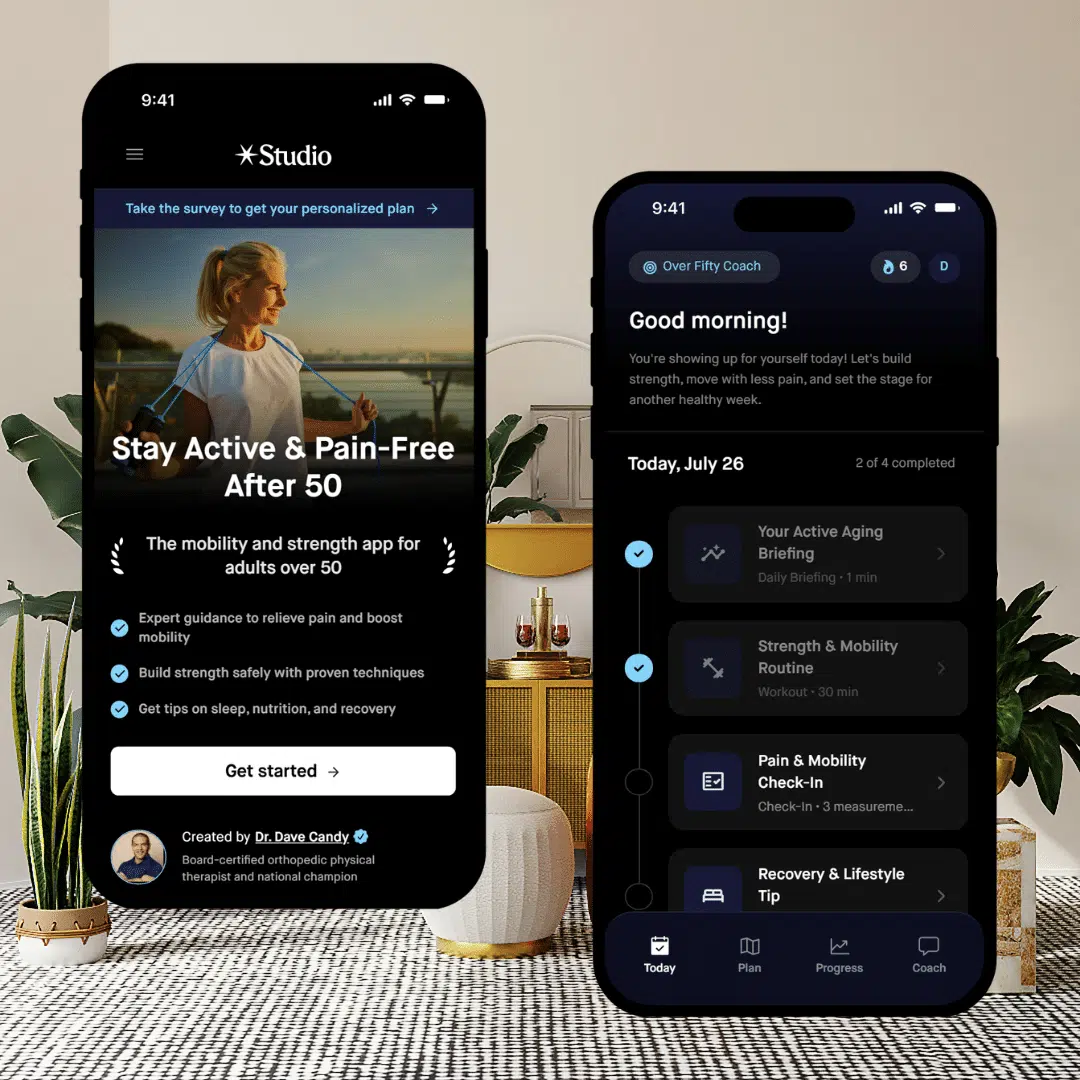
Need Help To Stay Strong and Mobile After 50?
Affiliate Disclosure: This post contains affiliate links to Amazon and/or other sites. While I only recommend products that I trust, as an Amazon Associate, I earn commission from qualifying purchases at no extra cost to you.
Medical Disclaimer: The content on this site is for educational and informational purposes only and is not intended as medical advice. Always consult with a qualified healthcare professional before beginning any new exercise program, diet, or supplement regimen, especially if you have pre-existing health conditions.