
Understanding Lower Back Pain While Walking
Lower back pain when walking can be a frustrating experience that affects your daily activities. Fortunately, there are several strategies you can implement to alleviate this discomfort. In this article, we will explore five effective tips designed to help you walk more comfortably and confidently, even if you suffer from lower back pain.
1. Lean Forward Slightly
Many people believe that standing tall is the best posture while walking. However, leaning forward slightly can actually relieve pressure on your lower back. This slight flexion opens up the spaces between your joints, making walking more comfortable, especially for those with conditions like degenerative disc disease or spinal stenosis.
Why Forward Leaning Works
The forward lean helps distribute your weight more evenly and reduces strain on the nerve roots in your lower back. While you shouldn’t slouch, a gentle forward lean can make a significant difference in your walking experience.
2. Walk with Purpose
Walking faster can also help reduce lower back pain. When you walk with purpose, your center of gravity shifts forward, which encourages a slight lean and reduces pressure on your back. However, be mindful of your stride length.
Shorter, Quicker Steps
Instead of lengthening your stride, focus on taking shorter, quicker steps. This technique prevents tight hip flexors from pulling you into spinal extension, which can exacerbate lower back pain.
3. Push Off with Your Toes
When walking, it’s essential to push off with the toes of your rear foot instead of pulling forward with your heels. This technique activates your glute muscles, which are often weak in individuals with lower back pain.
The Importance of Glute Activation
Activating your glutes helps stabilize your pelvis and relieve tension in your lower back. Conversely, pulling with your heels can engage your hamstrings and put unnecessary strain on your sciatic nerve.
4. Incorporate an Incline
Walking on a slight incline can also help alleviate lower back pain. The incline encourages you to lean forward, which opens up the spaces in your lower back where nerves exit. This action reduces pressure on the facet joints, providing relief.
Benefits of Incline Walking
Incline walking not only helps with lower back pain but can also benefit those with spinal stenosis and knee arthritis. It is an effective way to modify your walking routine to promote better spinal health.
5. Stay Consistent
Lastly, consistency is key in managing lower back pain while walking. Regularly practicing these tips will help your body adapt and strengthen the necessary muscles, enhancing your overall walking experience.
Next Steps
Start incorporating these tips into your daily walking routine to see improvements in your lower back pain. Remember to listen to your body and consult with a healthcare professional if your pain persists. By making these small adjustments, you can enjoy walking again without discomfort.
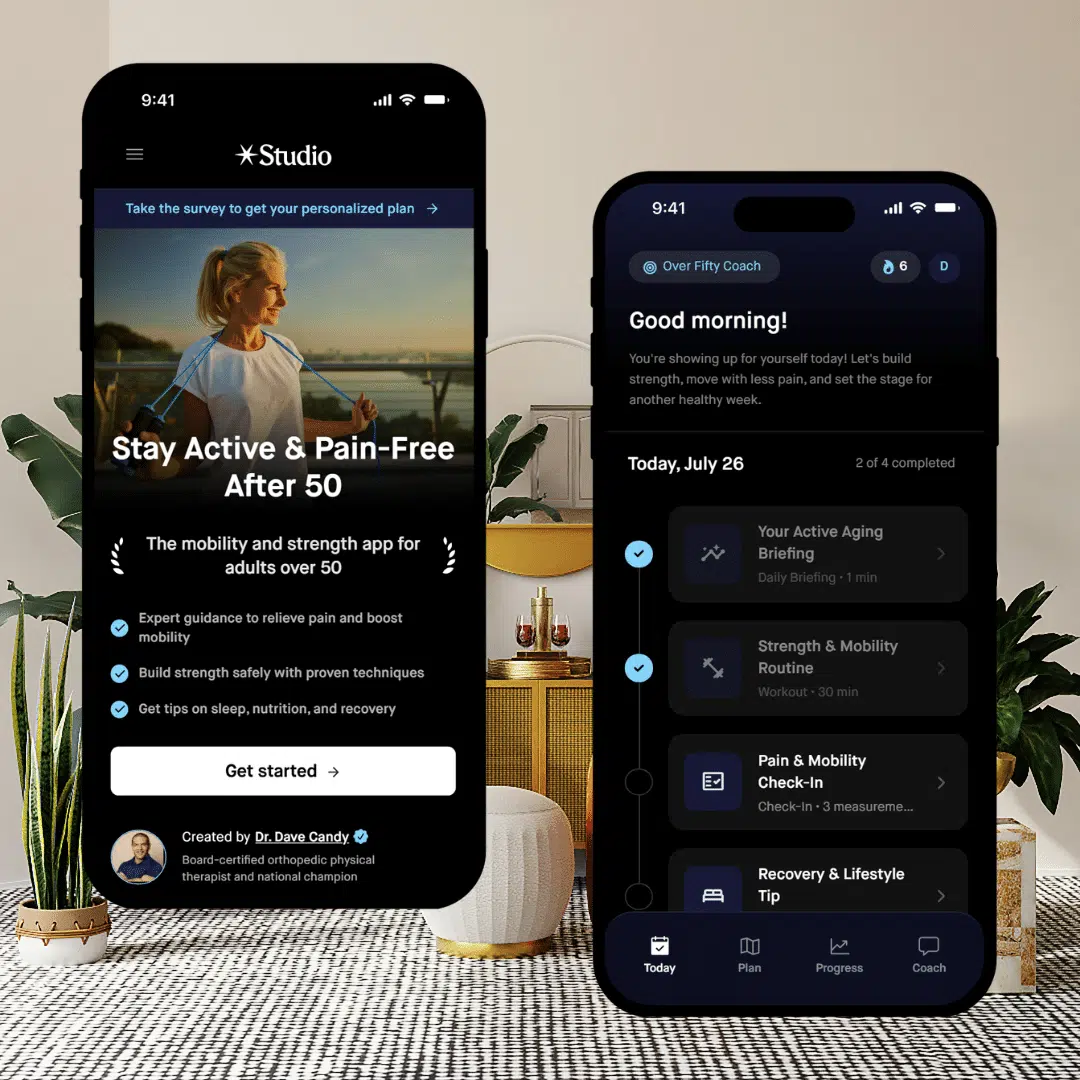
Need Help To Stay Strong and Mobile After 50?
Affiliate Disclosure: This post contains affiliate links to Amazon and/or other sites. While I only recommend products that I trust, as an Amazon Associate, I earn commission from qualifying purchases at no extra cost to you.
Medical Disclaimer: The content on this site is for educational and informational purposes only and is not intended as medical advice. Always consult with a qualified healthcare professional before beginning any new exercise program, diet, or supplement regimen, especially if you have pre-existing health conditions.