
Understanding IT Band Syndrome
IT Band Syndrome is a common cause of outer knee pain, particularly among active individuals. If you’re experiencing knee pain, it can significantly impact your lifestyle, preventing you from enjoying activities like running, cycling, or even walking. Fortunately, there are effective strategies to manage and alleviate this condition.
What Causes IT Band Syndrome?
The iliotibial (IT) band runs from your hip down to your tibia, and IT band syndrome occurs not due to friction but rather compression. This happens when your IT band stretches and compresses against the fat pad located between the IT band and the thigh bone (femur). Understanding this can help you take the right steps towards recovery.
Key Exercises to Combat IT Band Syndrome
Here are seven effective exercises to relieve knee pain associated with IT Band Syndrome. These focus on strengthening the muscles around the hip and knee, which can help stabilize the joint and reduce discomfort.
1. Single-Leg Balancing
Begin with single-leg balancing. Stand on one leg, ensuring your pelvis remains level. This exercise helps strengthen your gluteal muscles, which are crucial for maintaining proper knee alignment.
2. Mini Squats on One Leg
Once you can balance, try performing mini squats on the same leg. Bend your knee slightly while keeping your pelvis level. This will further engage your glute muscles and improve stability.
3. Sequential Hops
To enhance your strength and coordination, practice sequential hops. Stand on one leg, jump lightly, and land on the same leg. Focus on controlling your landing to avoid knee collapse.
4. Calf Stretches
Stretching your calves is essential as tight calves can contribute to knee pain. Stand facing a wall, place your hands against it, and lean forward while keeping your heel down. Hold for 60-90 seconds.
5. Hip Flexor Stretch
A kneeling hip flexor stretch can target both your quadriceps and tensor fascia latae, which can help ease tension in the IT band. Ensure to tuck your pelvis under and push your hips forward without arching your lower back.
6. Glute Activation Against the Wall
While facing a wall, come up onto your toes and lift one knee high while squeezing your glutes. This exercise targets both your glutes and calves and can be repeated 10 times on each side.
7. Joint Alignment Reset
If you suspect joint dysfunction, try the joint alignment reset. Position yourself to externally rotate your hip while gently pushing your knee to help realign the joint. Hold for about a minute for best results.
Maintaining Activity Levels
It’s important to continue exercising, even with IT band syndrome. Modify your activities to avoid aggravating your knee pain. If running causes discomfort, reduce the distance or consider cross-training with biking or swimming to maintain fitness without straining your knee.
Conclusion: Next Steps for Recovery
IT band syndrome can be managed effectively with the right exercises and modifications to your routine. Remember to focus on strengthening the gluteal muscles and maintaining your activity levels to prevent future injuries. If you’re in the St. Louis area and need professional guidance, consider seeking help from a physical therapist specializing in knee pain.
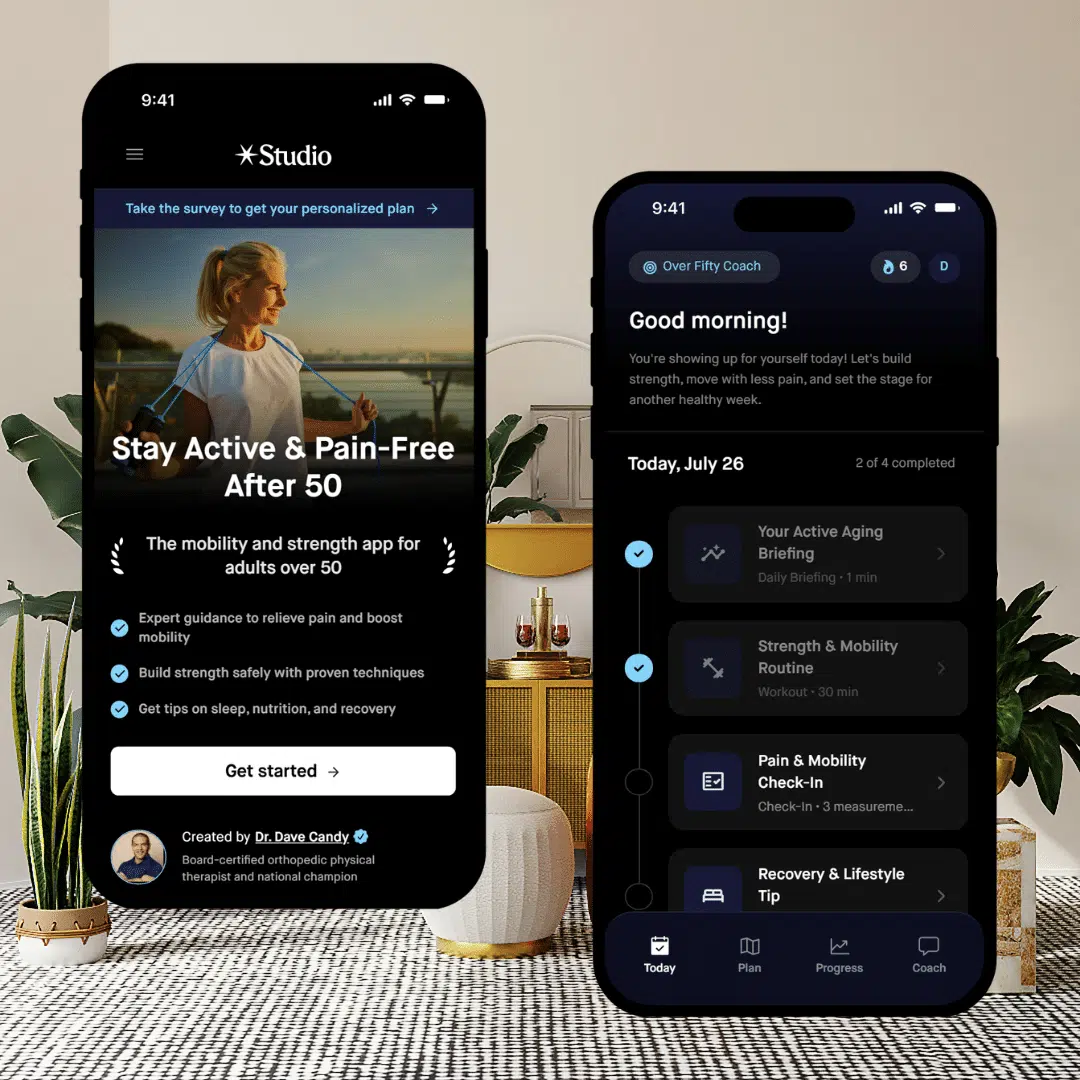
Need Help To Stay Strong and Mobile After 50?
Affiliate Disclosure: This post contains affiliate links to Amazon and/or other sites. While I only recommend products that I trust, as an Amazon Associate, I earn commission from qualifying purchases at no extra cost to you.
Medical Disclaimer: The content on this site is for educational and informational purposes only and is not intended as medical advice. Always consult with a qualified healthcare professional before beginning any new exercise program, diet, or supplement regimen, especially if you have pre-existing health conditions.