
Understanding the Causes of Limping
If you limp when you walk, it may stem from a weakness in your hip muscles. Limping can manifest as a shift away from the stance side or a lean toward it, but the underlying issue is often the same—insufficient strength in the hip muscles.
When you step, your body relies on your hip joint as the axis of rotation, while your center of gravity remains centralized. A lack of hip muscle strength can lead to a loss of balance, causing you to fall away from the stance side. Over time, this can stretch the muscles and tendons around the hip, potentially leading to conditions like tendonitis or hip bursitis.
Recognizing the Impact of Limping
Your brain quickly adapts to pain by altering your walking pattern. By shifting your center of gravity over the hip, you may find temporary relief, but this compensatory mechanism can lead to additional problems. For instance, prolonged limping can result in lower back pain due to uneven weight distribution.
Strengthening Your Hip Muscles
The key to overcoming limping lies in strengthening your hip muscles. A simple yet effective exercise is to practice balancing on one leg. This technique engages the hip muscles, helping to stabilize your pelvis and maintain proper alignment.
If balancing on one leg proves challenging, you can modify the exercise. Keep one foot lightly touching the floor to share the weight load, making it easier to maintain balance. You can also enhance this exercise by sliding your foot back and forth across the floor, using a towel for added support if necessary.
Utilizing a Cane for Support
Many people shy away from using a cane, fearing it will weaken their muscles. However, using a cane can actually help strengthen your hip muscles. By providing additional support, a cane allows you to walk with a more natural gait, reducing the compensatory motions that lead to weakness.
When using a cane, hold it in the opposite hand of the affected hip. This approach helps distribute weight more evenly and encourages proper walking mechanics. Over time, as your hip muscles strengthen, you will rely less on the cane.

Proper Cane Fitting and Usage
To maximize the benefits of using a cane, ensure it is properly fitted to your height. The top of the cane should reach your wrist when you stand upright. When walking, keep the cane close to your body, moving it forward with the opposite foot to maintain balance.
Conclusion: Taking the Next Step
In summary, if you’re limping when you walk, it’s crucial to identify the root causes and take steps to strengthen your hip muscles. Incorporate balance exercises into your routine, consider using a cane for support, and remember that these adjustments can lead to significant improvements over time.
For additional resources on hip strengthening exercises or proper cane usage, look for specialized videos or consultations with a physical therapist. With dedication and the right techniques, you can overcome limping and return to a more natural walking pattern.
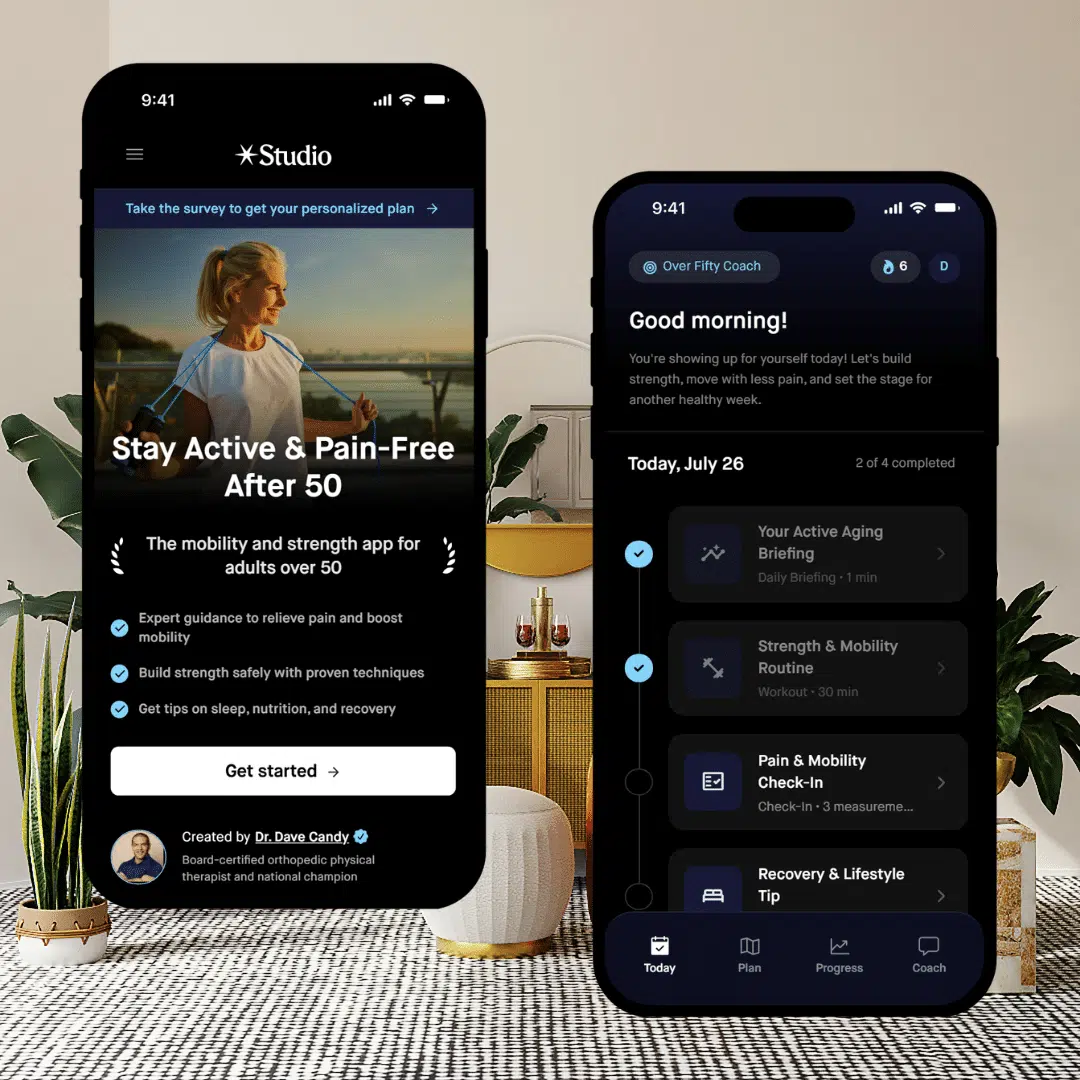
Need Help To Stay Strong and Mobile After 50?
Affiliate Disclosure: This post contains affiliate links to Amazon and/or other sites. While I only recommend products that I trust, as an Amazon Associate, I earn commission from qualifying purchases at no extra cost to you.
Medical Disclaimer: The content on this site is for educational and informational purposes only and is not intended as medical advice. Always consult with a qualified healthcare professional before beginning any new exercise program, diet, or supplement regimen, especially if you have pre-existing health conditions.