
Understanding the Benefits of Ellipticals for Arthritis
If you suffer from hip or knee arthritis, finding effective low-impact workouts can be challenging. The elliptical machine is often recommended for those with arthritic knees and hips, providing a safe and effective way to engage in cardiovascular exercise without the high impact of running or fast walking.
Why Choose an Elliptical?
Ellipticals allow your feet to maintain contact with the pedals throughout the workout. Unlike running or walking, where you have to balance on one leg, the elliptical provides stability which can significantly reduce pain during exercise. This continuous contact helps avoid the single limb support time that often exacerbates discomfort in arthritic joints.
Advantages of Using an Elliptical for Arthritic Joints
There are several key advantages to using an elliptical machine:
- Low-Impact Exercise: Ellipticals deliver a cardiovascular workout without the jarring impacts associated with running. This is crucial for those with arthritis.
- Weight-Bearing Benefits: Although seated forms of exercise like stationary biking are beneficial, weight-bearing workouts encourage the secretion of synovial fluid, which lubricates joints and can contribute to healthier cartilage.
- Muscle Variation: Many ellipticals allow you to change directions, enabling you to pedal forwards and backwards. This variation helps engage different muscle groups, providing a more comprehensive workout.
- Convenience and Accessibility: Having an elliptical at home means you can exercise regardless of the weather or time constraints. This convenience can significantly boost your motivation and consistency.
Comparing Ellipticals to Other Exercise Equipment
While seated equipment like stationary bikes is great for aerobic exercise, they may not provide the same benefits as weight-bearing elliptical workouts. The ability to bear weight while exercising is beneficial for maintaining joint health, especially for those with arthritis.
This elliptical model is sturdy, supporting up to 300 lbs and operating quietly due to its magnetic resistance. It features a digital display showing time, speed, distance, calories burned, and even your heart rate through a pulse monitor.
Setting Up Your Elliptical
Most ellipticals require some assembly, but it typically comes with all necessary tools. Using a socket wrench can expedite the process significantly. Once assembled, the front wheels make it easy to move the elliptical to different locations in your home.
Using Your Elliptical Effectively
To get the most out of your elliptical workout, consider these tips:
- Start Slow: If you are new to using an elliptical, begin with shorter sessions and gradually increase your workout duration as your comfort and endurance improve.
- Incorporate Intervals: Mixing periods of increased intensity with recovery can enhance your cardiovascular fitness and keep your workouts engaging.
- Focus on Form: Maintain an upright posture, engage your core, and avoid leaning heavily on the handlebars to maximize the effectiveness of your workout.
Conclusion: Take the Next Step for Your Health
Incorporating an elliptical into your exercise routine can be a game-changer for those with arthritic knees and hips. By providing a low-impact, weight-bearing workout option, you can improve your cardiovascular health while being kind to your joints.
Consider investing in a quality elliptical model for home use, and remember to start slowly, focusing on form and gradually increasing your workout intensity. With dedication and consistency, you can enjoy a healthier, more active lifestyle despite the challenges of arthritis.
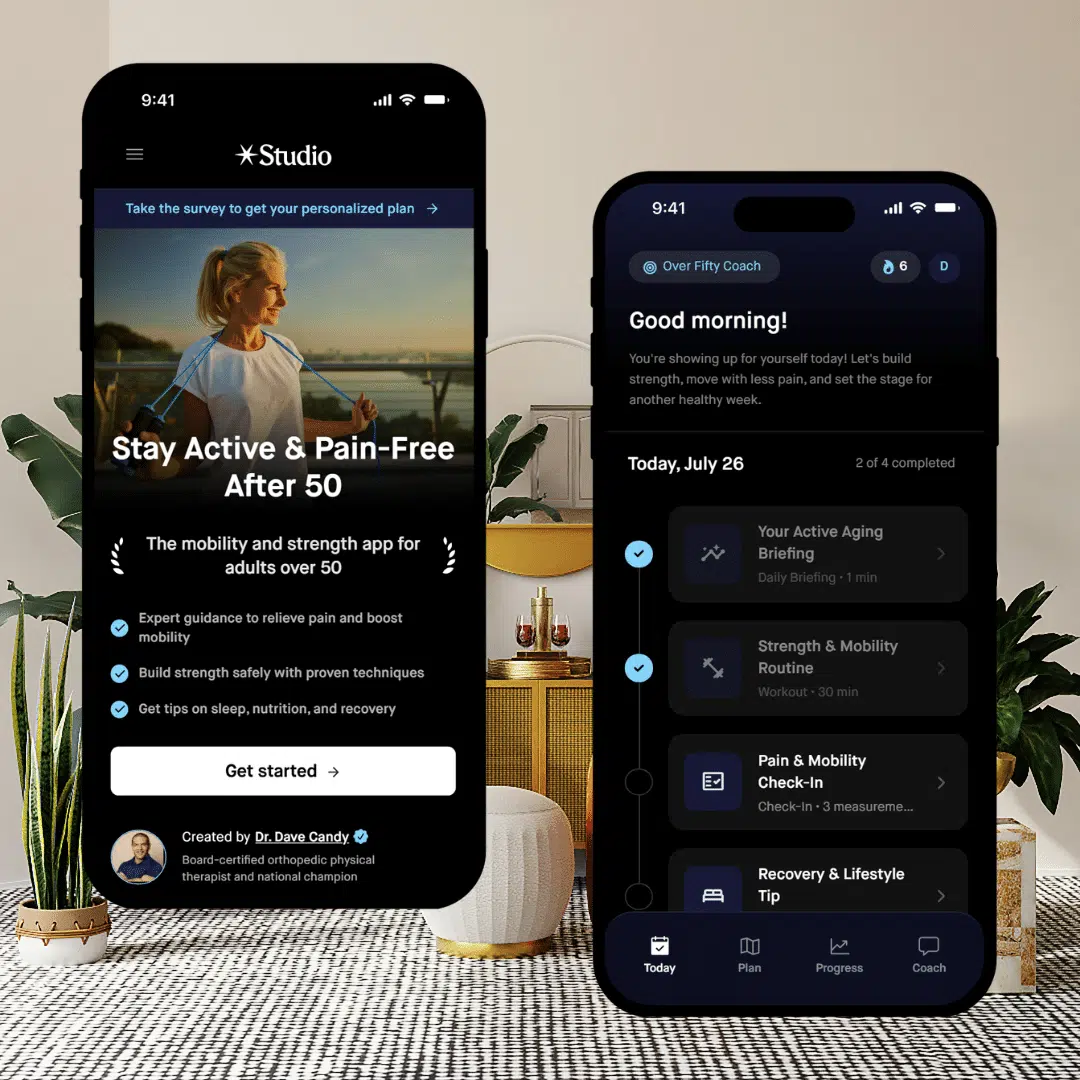
Need Help To Stay Strong and Mobile After 50?
Affiliate Disclosure: This post contains affiliate links to Amazon and/or other sites. While I only recommend products that I trust, as an Amazon Associate, I earn commission from qualifying purchases at no extra cost to you.
Medical Disclaimer: The content on this site is for educational and informational purposes only and is not intended as medical advice. Always consult with a qualified healthcare professional before beginning any new exercise program, diet, or supplement regimen, especially if you have pre-existing health conditions.