
Understanding Knee Pain
Knee pain is a common issue that affects many individuals, often leading to frustration and decreased mobility. The secret to fixing knee pain lies in recognizing that it is not solely a result of bending and straightening the knee. Instead, many knee problems arise from dysfunctions in smaller, less understood movements. By addressing these underlying issues, you can achieve both fast and lasting relief from knee pain.
Identifying the Root Cause of Knee Pain
Most people mistakenly view the knee joint as just a hinge, similar to a door. However, the knee can move slightly in side-to-side and rotational planes. A common dysfunction is a lack of internal rotation of the tibia, often caused by excessive inward movement (valgus) of the knee. This can lead to knee pain that many overlook.
Checking Your Tibial Rotation
To determine your internal and external rotation capacity, sit with your knees bent at 90 degrees. Twist your tibia inward and outward and observe the movement of the tibial tuberosity, the bump on your shin. If you notice less internal rotation on the painful leg, this could be the source of your discomfort.
Immediate Techniques for Pain Relief
To relieve knee pain quickly, you can perform a simple technique. Cross one leg over the other, placing one hand under the tibia and the other on the femur, just before the knee bends. Apply a gentle pulling and pushing motion to create a slight twist and glide between the femur and tibia. Hold this position for about 10 seconds, relaxing in between. Repeat this for a minute and check if your internal rotation has improved.
Preventing Recurrence of Knee Pain
While immediate relief is essential, preventing the return of knee pain is crucial. The most common cause of internal rotation dysfunction is excessive pronation of the foot and weakness in the hip muscles. Strengthening these areas can prevent the knee from collapsing inward, especially during activities like squatting or climbing stairs.
Strengthening Your Hips
To strengthen your hip muscles, perform squats with external rotation. Start with your feet positioned comfortably, then dome your arch while pushing your knees outward. Squat down as deep as comfortable, ensuring your knees remain aligned with your feet. This exercise strengthens your glutes and stabilizes your foot position.
Progressing to Lunges
A progression from squats is the lunge. Start in a balanced position, dome your arch, and keep your knee turned outward as you lower into a lunge. This exercise reinforces proper movement patterns and strengthens your hip abductors, preventing knee issues.
Balance and Stability Exercises
Balancing on one leg can also help strengthen your hips while improving stability. Stand on one leg, slightly turning your knee outward, and grip the ground with your foot muscles. Practice this position on both legs, ensuring your pelvis remains level.
Addressing Ankle and Calf Stiffness
Excessive pronation can also stem from stiffness in the ankle or calf muscles. If your calves are tight, it can cause you to pronate your foot to navigate around the ankle joint. Stretching your calves and increasing ankle mobility can significantly improve your knee’s alignment and function.
Next Steps for Knee Health
In summary, effective management of knee pain involves understanding the intricate movements of the knee joint, identifying underlying dysfunctions, and implementing strengthening exercises. Focus on maintaining proper form during movements and addressing any stiffness in your ankles and calves. By integrating these practices into your routine, you can achieve fast and lasting relief from knee pain.
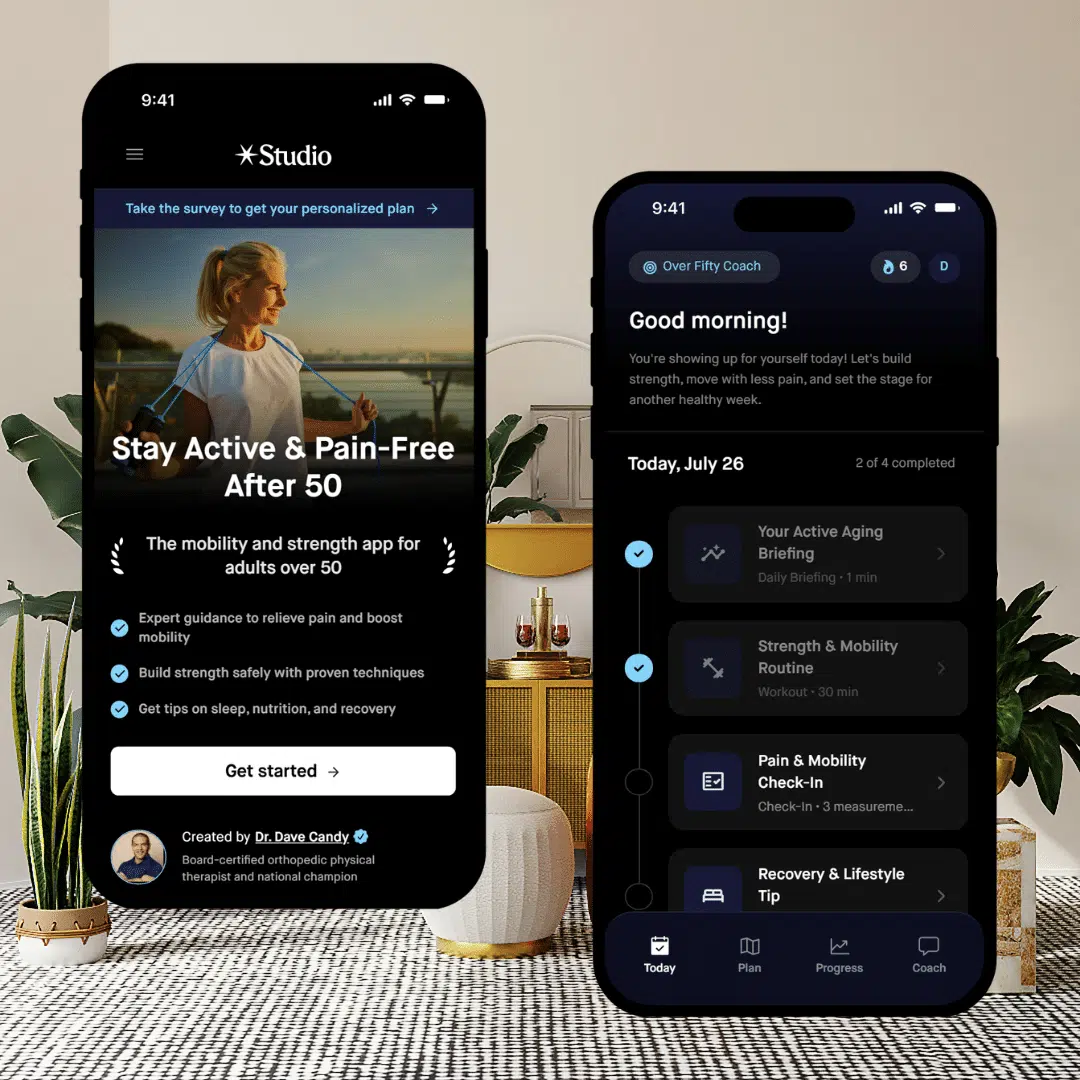
Need Help To Stay Strong and Mobile After 50?
Affiliate Disclosure: This post contains affiliate links to Amazon and/or other sites. While I only recommend products that I trust, as an Amazon Associate, I earn commission from qualifying purchases at no extra cost to you.
Medical Disclaimer: The content on this site is for educational and informational purposes only and is not intended as medical advice. Always consult with a qualified healthcare professional before beginning any new exercise program, diet, or supplement regimen, especially if you have pre-existing health conditions.