
Why Strong Legs Are Essential for Seniors
As seniors age, maintaining strong legs becomes crucial for mobility and independence. On average, individuals lose 3 to 5% of their muscle mass every decade after the age of 30. However, the good news is that building and maintaining muscle mass is still achievable at any age. This blog post will explore effective strategies to enhance leg strength for seniors, focusing on actionable techniques that can lead to rapid strength gains.
Understanding Muscle Recruitment
To strengthen your legs, it’s important to understand how to effectively use the muscle fibers you already have. There are three primary methods for increasing strength:
- Adding new muscle fibers (unlikely in adults).
- Increasing the size of existing muscle fibers, known as hypertrophy.
- Using more muscle fibers simultaneously, which is the fastest way to gain strength.
Think of muscle recruitment like lifting weights: using both arms is easier than one. The goal is to activate as many muscle fibers as possible during exercises.
Recruiting Muscle Fibers Effectively
Untrained individuals often activate muscle fibers in an alternating fashion, which is less efficient. To improve strength, focus on recruiting larger motor units by:
- Incorporating compound exercises that engage multiple muscle groups.
- Using higher weight loads than you are accustomed to.
Exercises such as squats, lunges, and leg presses are ideal for recruiting various muscle groups. In contrast, simple movements like quad sets do not effectively engage multiple muscle fibers.
Effective Exercises for Stronger Legs
Let’s explore some effective exercises that can help seniors build stronger legs:
Chair Squats
Chair squats are a great starting point for leg strength. Here’s how to perform them:
- Stand in front of a sturdy chair.
- Push your hips back as if you’re about to sit down.
- Lower yourself slowly towards the chair, maintaining tension in your legs.
- Once seated, hold your position briefly before standing back up.
Focus on feeling your quadriceps and glutes engage during the movement.
Progressing to Weighted Squats
Once you’re comfortable with chair squats, consider adding weight. Use a dumbbell to increase resistance while maintaining proper form:
- Perform the squat as instructed above.
- Hold the dumbbell close to your chest as you squat down.
- Drive back up quickly from the squat position.
This added weight will help recruit more muscle fibers, enhancing strength gains.
Incorporating Lunges
Lunges are another effective exercise for building leg strength. To perform a lunge:
- Step forward with one leg, bending both knees to lower your body.
- Keep your front knee aligned with your ankle.
- Push through your front heel to return to standing.
This exercise not only targets the quads and glutes but also engages stabilizing muscles.
Advanced Techniques for Strength Gains
For those who are more advanced, consider these techniques to further enhance leg strength:
- Single-Leg Squats: Transition from double-leg exercises to single-leg squats for increased resistance.
- Slow Eccentric Training: Focus on lowering your body slowly during squats or lunges, holding at the bottom for a few seconds before rising.
By employing these techniques, you can see rapid strength gains in just a few sessions.
Importance of Nutrition
To support muscle growth, it’s vital to consume adequate protein. Many seniors do not get enough protein in their diets. Ensure you include protein-rich foods in your meals to facilitate muscle repair and growth.
Conclusion: Take the Next Step
Building strong legs is essential for maintaining mobility and independence as you age. By incorporating effective exercises, focusing on muscle recruitment, and ensuring proper nutrition, you can achieve significant strength gains. Start today with chair squats and gradually progress to more challenging exercises. Your legs will thank you for it!
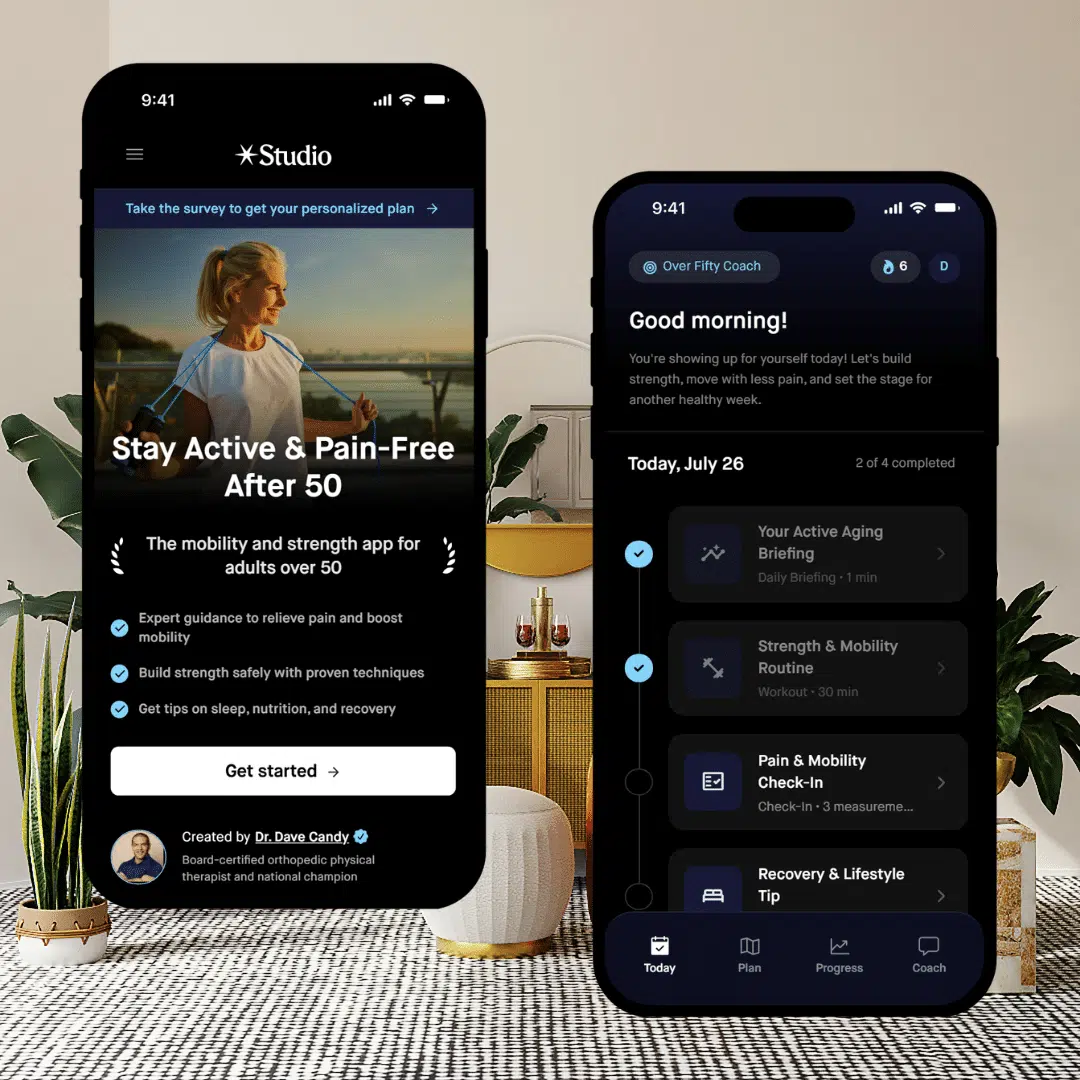
Need Help To Stay Strong and Mobile After 50?
Affiliate Disclosure: This post contains affiliate links to Amazon and/or other sites. While I only recommend products that I trust, as an Amazon Associate, I earn commission from qualifying purchases at no extra cost to you.
Medical Disclaimer: The content on this site is for educational and informational purposes only and is not intended as medical advice. Always consult with a qualified healthcare professional before beginning any new exercise program, diet, or supplement regimen, especially if you have pre-existing health conditions.