
Understanding the Lower Trapezius Muscle
The lower trapezius is a critical but often overlooked muscle that plays a significant role in relieving neck, back, and shoulder pain. It is located between and slightly below your shoulder blades. This muscle helps pull your shoulder blades down and back while also aiding in their upward rotation when raising your arms.
Why the Lower Trapezius is Important
Many individuals, especially those who lead a sedentary lifestyle or spend long hours at a computer, develop rounded shoulders and forward head posture. This posture can lengthen and weaken the lower trapezius, leading to a host of issues including neck pain, upper back pain, and lower back pain.
Identifying Muscle Imbalances
In many cases, people unknowingly exacerbate their pain by focusing on vanity muscles such as the chest and biceps, which can create further imbalances. The common gym exercises, like lat pull-downs or rows, primarily target the latissimus dorsi and rhomboids, neglecting the crucial lower trapezius. This imbalance can lead to stiffness in the chest and upper trapezius muscles, worsening your discomfort.
Recognizing Symptoms
If you experience tightness in your chest or upper back, or if you’re having trouble maintaining an upright posture, it may be time to strengthen your lower trapezius muscle. This will not only alleviate your symptoms but also improve your overall posture and shoulder function.
How to Strengthen Your Lower Trapezius
The classic method to strengthen the lower trapezius is to perform the “Y” exercise. Traditionally, this exercise is done lying face down. However, for many, this position may not be comfortable or practical.
The Seated Version of the Exercise
A more accessible way to perform this exercise is in a seated position, which eliminates the discomfort associated with lying on the floor. To do this exercise, follow these steps:
- Bend forward at the waist, placing your rib cage and chest on your thighs.
- Activate your lower trapezius by pulling your shoulder blades down and back.
- Raise your arms out in front of you to form the shape of a “Y.”
- Hold this position for 5 to 10 seconds before lowering your arms back down.
By performing this exercise in a seated position, you are less likely to substitute your lower back extensors, which can often happen when lying on the floor.
Additional Benefits of the Seated Exercise
Another advantage of the seated variation is the greater range of motion it provides. When sitting, you can start from a lower position, making it easier to raise your arms without discomfort. If you have existing shoulder pain, this modification will allow you to engage your muscles without exacerbating your condition.
Strengthening Thoracic Extensors
This exercise can also strengthen your thoracic extensors. To do this, maintain the “Y” position, and then lift your chest slightly while keeping your rib cage on your thighs. This adjustment helps prevent lower back extension, which is vital for those with rounded upper backs or lower back pain.
Incorporating the Exercise into Your Routine
To achieve the best results, aim to incorporate this exercise into your daily routine. Consistency is key. You can perform it multiple times throughout the day, making it easier to integrate into your lifestyle.
Next Steps
Now that you understand the importance of the lower trapezius and how to strengthen it, take action! Start practicing the seated “Y” exercise today. This will not only help relieve your neck, back, and shoulder pain but also promote better posture and overall strength.
Remember to listen to your body and adjust the movements to suit your comfort level. If pain persists, consider consulting with a healthcare professional for personalized advice.
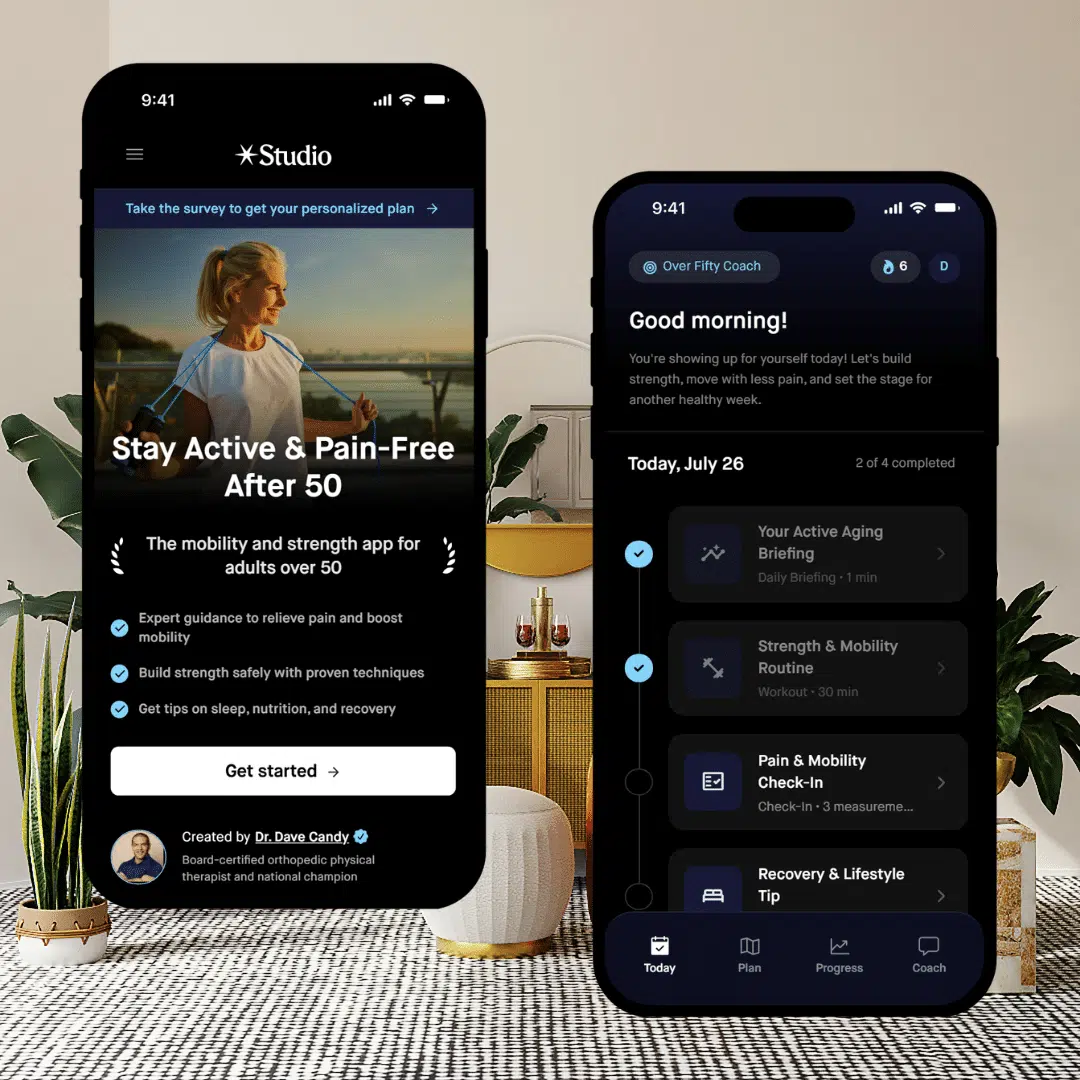
Need Help To Stay Strong and Mobile After 50?
Affiliate Disclosure: This post contains affiliate links to Amazon and/or other sites. While I only recommend products that I trust, as an Amazon Associate, I earn commission from qualifying purchases at no extra cost to you.
Medical Disclaimer: The content on this site is for educational and informational purposes only and is not intended as medical advice. Always consult with a qualified healthcare professional before beginning any new exercise program, diet, or supplement regimen, especially if you have pre-existing health conditions.