
Understanding Bone on Bone Knee Pain
Bone on bone knee pain can be daunting, often leading many to believe that surgery is the only option. However, there are effective alternatives available. This condition is primarily associated with grade four knee arthritis, which indicates severe joint space loss and can significantly impact your daily life.
What Does Bone on Bone Knee Pain Mean?
Bone on bone knee pain refers to the wear and tear of cartilage, leading to direct contact between the bones in the knee joint. It’s categorized as grade four knee arthritis, which means there is considerable joint space loss. People often think this means there is no cartilage left, but this is not always the case. Understanding your specific condition is crucial for determining the right treatment.
Non-Surgical Alternatives to Knee Replacement
Before considering surgery, it’s essential to explore non-invasive treatments that can significantly improve your condition. Here are some effective strategies:
1. Exercise Therapy
Exercise is one of the most effective treatments for knee pain, regardless of the severity of arthritis. Research shows that consistent exercise can improve both function and pain levels. Weight-bearing exercises like walking are beneficial, but they can be painful for those with bone on bone knee pain.
Consider water-based exercises, as the buoyancy alleviates pressure on the knee, allowing you to move more freely. This approach can help you maintain activity levels while reducing discomfort.
2. Weight Loss
Reducing your body weight can drastically lessen the load on your knees. Excess weight, particularly around the abdomen, can increase pressure on your knee joints by up to four times. Losing weight can help alleviate pain and improve mobility.
3. Assistive Devices
Using a cane, knee unloader brace, or a rolator walker can help offload some of the weight from your knees. Many people hesitate to use these devices due to concerns about appearance, but they can significantly enhance comfort and mobility. Remember, prioritizing your well-being is what truly matters.
4. Strengthening Exercises
Targeting the muscles surrounding your knee can help stabilize the joint and reduce pain. Focus on strengthening your glutes and hip muscles, as weakness in these areas can lead to improper knee mechanics. Exercises that promote balance and stability will also be beneficial.
5. Cortisone and PRP Injections
Cortisone injections can provide temporary relief, but they should not be relied upon long-term. They may help in acute situations, such as before a vacation, but repeated use can harm the joint. On the other hand, Platelet Rich Plasma (PRP) injections show promise but are not necessarily superior to other treatments like exercise therapy.
When to Consider Knee Replacement
Ultimately, the decision to undergo knee replacement surgery is personal and should be made carefully. Many individuals with bone on bone knee pain continue to function well without surgery. It’s essential to consult with a healthcare professional who can guide you in evaluating your specific situation.
The Importance of Physical Therapy
Working with a skilled physical therapist can help you develop a personalized treatment plan. They can assess your unique condition and guide you through exercises and interventions tailored to your needs. Remember, surgery is not the only option, and there are many conservative treatments available that can enhance your quality of life.
Conclusion: Take Control of Your Knee Health
Bone on bone knee pain doesn’t have to dictate your life. By understanding your condition and exploring non-surgical alternatives, you can manage your symptoms effectively. Embrace exercise, consider weight loss, and utilize assistive devices to maintain your mobility and independence. Always remember that the choice of treatment is yours, and exploring all options can lead to a more fulfilling life.
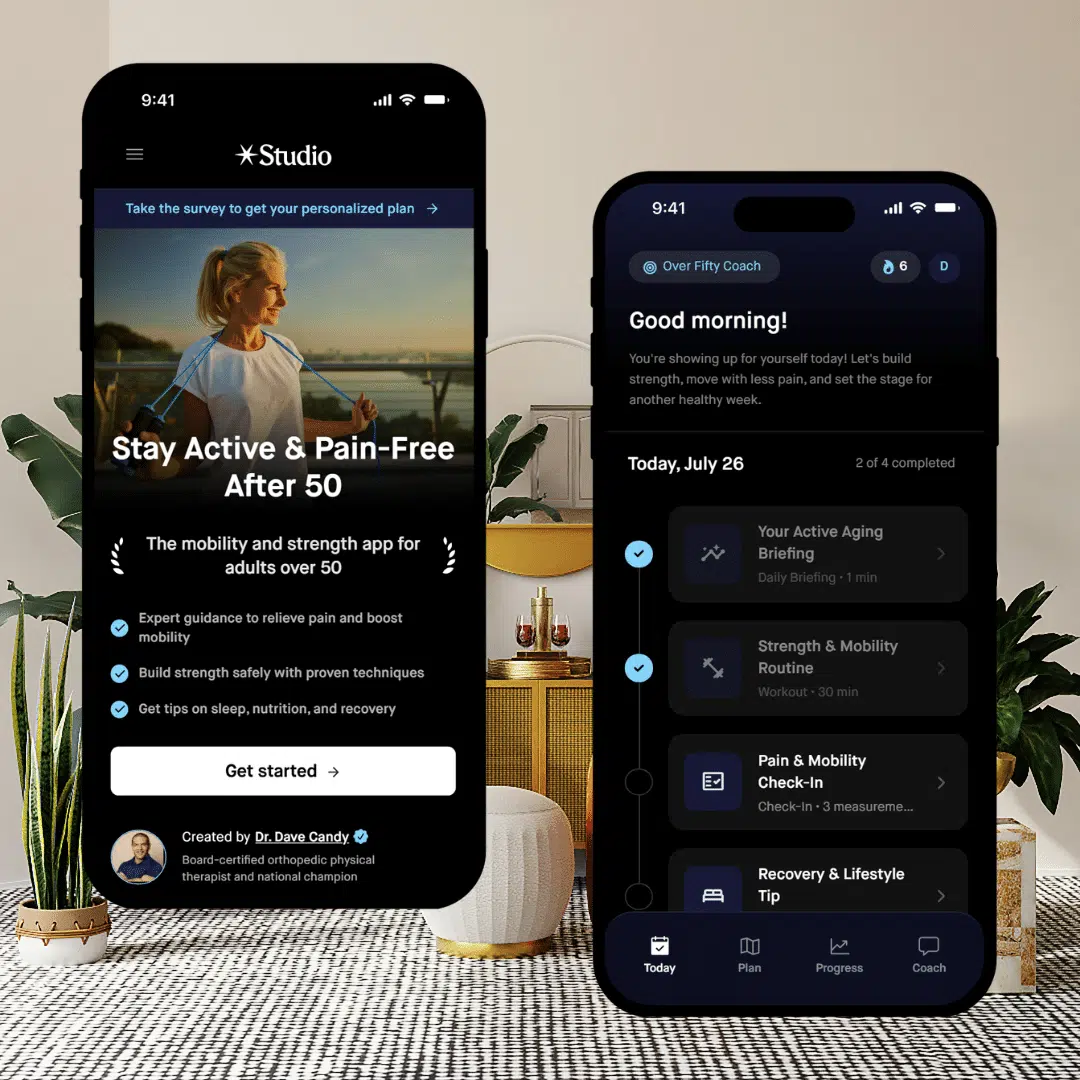
Need Help To Stay Strong and Mobile After 50?
Affiliate Disclosure: This post contains affiliate links to Amazon and/or other sites. While I only recommend products that I trust, as an Amazon Associate, I earn commission from qualifying purchases at no extra cost to you.
Medical Disclaimer: The content on this site is for educational and informational purposes only and is not intended as medical advice. Always consult with a qualified healthcare professional before beginning any new exercise program, diet, or supplement regimen, especially if you have pre-existing health conditions.