
Understanding Knee Pain and Its Causes
Knee pain affects millions of people, often stemming from poor mobility or improper technique during physical activity. One effective approach to alleviating knee pain is the ATG (Athletic Truth Group) training method popularized by Ben Patrick, known as the “knees over toes guy.” This method emphasizes exercises that improve ankle mobility and eccentric strength, which can help you regain your knee health.
Using Squat Wedges for Improved Mobility
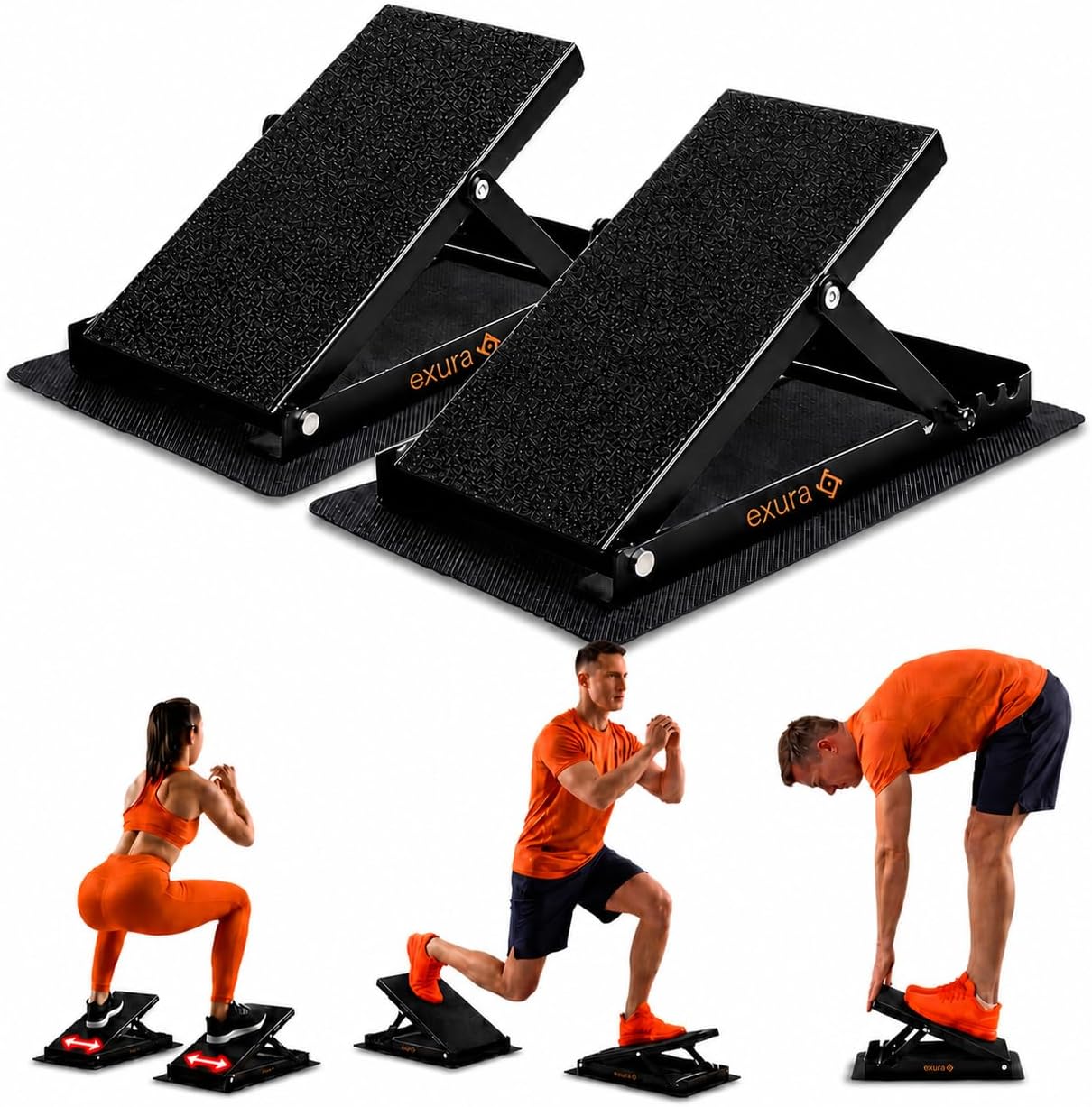
Squat wedges, also known as slant boards, are fantastic tools for enhancing your squat form, especially if you struggle with ankle mobility. These wedges can be adjusted from flat to a maximum angle of 40 degrees, although it’s recommended to start at a lower angle (20 degrees) for safety and effectiveness.
How to Use Squat Wedges Correctly
To use squat wedges, position your feet on the angled surface. If your heels tend to lift during squats, the wedge helps keep them grounded, reducing strain on your knees. Ideally, aim to maintain a straight line from your knees to your toes without your heels lifting. This not only protects your knees but also encourages proper glute activation.
Additionally, squat wedges can be used for calf stretches to improve ankle flexibility. Stand on the wedge with your heels hanging off the edge, trying to maintain an upright posture. This will assist in your ability to squat deeper with heels flat on the ground.
Incorporating the ATG Split Squat
The ATG split squat is a beneficial exercise that helps build strength and flexibility in the knees. Start by positioning one foot on the squat wedge and the other foot behind you in a staggered stance. Lower your body into a deep lunge while keeping the heel of your front foot grounded. This movement, when performed correctly, can significantly reduce knee discomfort.
Progressing to Flat-Surface Squats
As your strength and mobility improve, aim to transition from the squat wedge to squatting on a flat surface. This progression is crucial for knee health, promoting strength in the full range of motion.
Understanding the Tibialis Anterior Bar
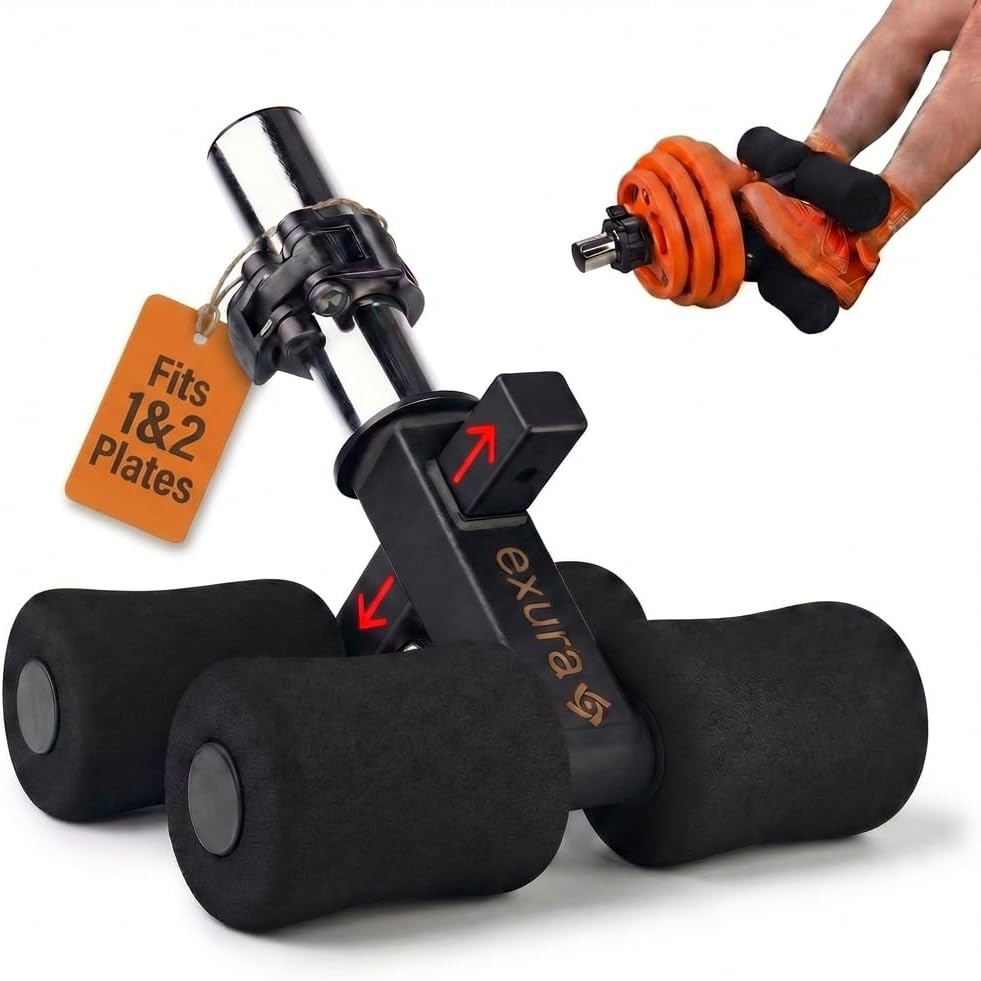
The tibialis anterior bar is another innovative tool that targets the tibialis anterior muscle, crucial for controlling foot strike and stabilizing the knee during movement. Using this equipment can further enhance your knee stability and overall strength.
How to Effectively Use Tibialis Anterior Bars
When using a tibialis anterior bar, position your heels on the lower rollers and feet on the upper rollers. Perform controlled movements, focusing on eccentric strength by lowering your feet slowly and then returning to the starting position. Aim for 10 to 20 repetitions, adjusting weight as necessary based on your endurance.
You can also use a single-leg tibialis anterior bar for more focused training. This variation allows for improved three-dimensional stability and is more portable for travel.

Combining Techniques for Optimal Results
Incorporating both squat wedges and tibialis anterior bars into your routine can significantly improve knee pain and overall lower body strength. Start with simple exercises, gradually increasing difficulty as your body adapts.
Next Steps to Alleviate Knee Pain
To effectively manage knee pain and enhance mobility, consider integrating these tools and exercises into your fitness routine. Always prioritize form and listen to your body to avoid injury. For additional resources and exercises focused on knee health, explore other instructional videos or consult with a physical therapist to tailor a program that suits your individual needs.
Need Help To Stay Strong and Mobile After 50?
Affiliate Disclosure: This post contains affiliate links to Amazon and/or other sites. While I only recommend products that I trust, as an Amazon Associate, I earn commission from qualifying purchases at no extra cost to you.
Medical Disclaimer: The content on this site is for educational and informational purposes only and is not intended as medical advice. Always consult with a qualified healthcare professional before beginning any new exercise program, diet, or supplement regimen, especially if you have pre-existing health conditions.