
Understanding Herniated Discs and Disc Bulges
Herniated discs and disc bulges are common spinal conditions that can cause pain and discomfort. While they may sound similar, understanding the differences between a herniated disc and a disc bulge is crucial for effective treatment and recovery. Discs are shaped like jelly donuts, with a hard outer layer called the annulus fibrosis and a soft inner layer known as the nucleus pulposis.
A disc bulge occurs when the nucleus begins to protrude into the annulus, but does not break through it. In contrast, a herniation happens when the nucleus fully escapes the annulus, resulting in a more significant issue. Despite the differences, the good news is that most individuals do not require surgery for either condition.
Statistics on Herniated Discs and Disc Bulges
As we age, the likelihood of developing a disc bulge increases significantly. Approximately 60% of people over 50 years old have a bulging disc without experiencing any pain. Conversely, only about 36% of individuals have a herniated disc without pain. This means that while herniated discs can be more painful, the majority of cases are manageable without surgical intervention.
When Is Surgery Necessary?
It’s essential to recognize that back pain alone is not an indicator for surgery. Surgical options are usually considered only in severe cases where bladder or bowel function is impaired, or if leg weakness is progressively worsening. Most surgeons advise that while they can alleviate leg pain, they cannot guarantee the elimination of back pain.
Identifying Your Pain Triggers
The best approach to manage your pain—whether it’s from a herniated disc or a disc bulge—is to identify the activities that alleviate or exacerbate your symptoms. Start by assessing your comfort level while standing. If you have back or leg pain, try bending forward as if you are reaching for your toes. Notice how your body reacts:
- If bending forward reduces your pain, it may be beneficial to incorporate more bending activities into your routine.
- If it worsens your pain, you should limit bending movements.
Alternative Movements and Exercises
If bending forward is uncomfortable, you can explore other positions to relieve your symptoms. Lying on the floor and pulling your knees to your chest can be a gentle way to test your comfort levels. If this feels good, consider making it a part of your regular routine.
For those who find it difficult to get on the floor, bending forward while seated in a chair can also provide relief. Conversely, if these activities increase discomfort, it’s essential to avoid them.
Exploring Backward Bending
On the other hand, if forward bending seems to aggravate your pain, try leaning backward. Stand up and gently lean back; observe how this movement affects your pain. If leaning back alleviates your discomfort, you should incorporate this motion into your daily activities.
Preventing Further Injury
To prevent exacerbating a herniated disc or disc bulge, it’s vital to avoid activities that create excessive spinal compression. Heavy lifting, carrying large backpacks, or any activities that strain your back can worsen your condition. Instead, consider decompressing your spine through gentle stretches or hanging from a pull-up bar.
Seeking Professional Guidance
If you struggle to manage your symptoms or find that home remedies are ineffective, it’s advisable to consult a physical therapist who specializes in back issues. A professional can help identify the root cause of your pain and guide you through tailored exercises that promote healing and prevent future occurrences.
Conclusion: Your Next Steps
Understanding the differences between a herniated disc and a disc bulge is the first step toward effective management. By recognizing your pain triggers, adjusting your movements, and seeking professional help when needed, you can alleviate discomfort and promote a healthier back. Always listen to your body and prioritize movements that enhance your wellbeing.
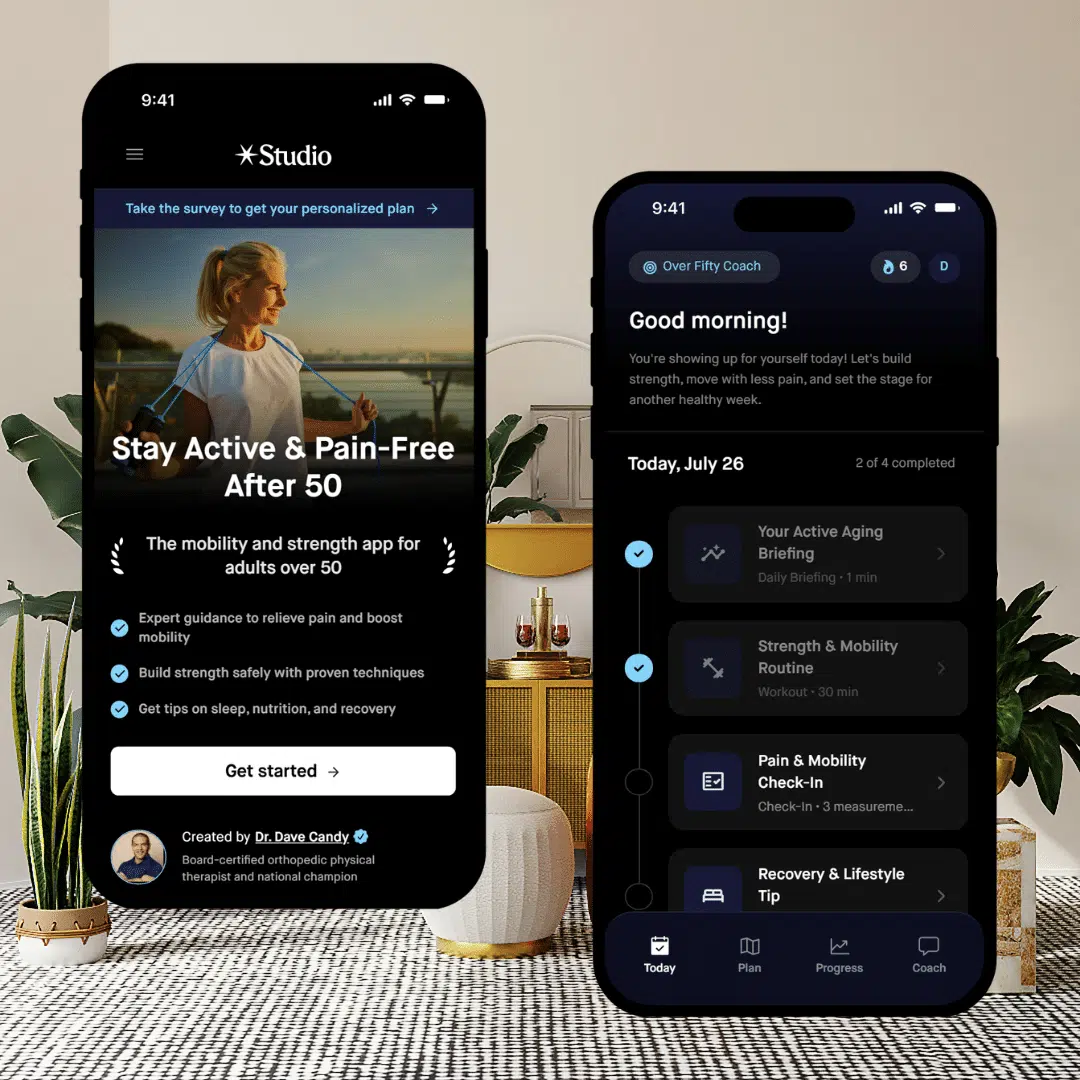
Need Help To Stay Strong and Mobile After 50?
Affiliate Disclosure: This post contains affiliate links to Amazon and/or other sites. While I only recommend products that I trust, as an Amazon Associate, I earn commission from qualifying purchases at no extra cost to you.
Medical Disclaimer: The content on this site is for educational and informational purposes only and is not intended as medical advice. Always consult with a qualified healthcare professional before beginning any new exercise program, diet, or supplement regimen, especially if you have pre-existing health conditions.