
Introduction
Knee stiffness after sitting for long periods can be frustrating and uncomfortable. If you find it hard to stand up from a chair or feel unsteady when you first walk, you’re not alone. This blog post explores the real reasons behind knee stiffness and provides actionable solutions to improve your mobility.
What Causes Knee Stiffness?
Knee stiffness is often misunderstood. Many people attribute it solely to arthritis, but that’s not always the case. Here, we discuss three common types of knee stiffness that can occur after prolonged sitting.
1. Stiffness Underneath the Kneecap
This type of stiffness often feels like pressure or discomfort behind the kneecap, particularly when transitioning from sitting to standing. It can be aggravated by prolonged sitting with the knee bent. To alleviate this issue, try sitting with your knees straighter or taking breaks to move your knees around.
2. Weakness and Unsteadiness in the Legs
When you sit for a long time, your calf muscles and hamstrings can become tight, leading to a feeling of weakness in your legs when you stand. To counteract this, practice moving your ankles while seated and focus on keeping your knees wide when you stand. This helps maintain proper alignment and stability.
3. Swelling and Tightness
If your knees feel boggy and swollen after sitting, it may be due to fluid accumulating in the joint capsule. This can happen with conditions like rheumatoid arthritis or osteoarthritis. To help, move your knees around while seated to keep the fluid circulating and reduce stiffness.
How to Prevent Knee Stiffness
Here are some practical tips to help you manage and prevent knee stiffness:
Adjust Your Sitting Position
Avoid sitting with your knees bent for too long. Instead, alternate between straightening your knees and bending them. This reduces compression behind the kneecap and helps maintain mobility.
Use Proper Techniques When Standing
When rising from a seated position, use a hip-hinging strategy. Keep your knees wide and your feet aligned to support your body weight effectively. Leaning forward slightly can help reduce the strain on your thigh muscles.
Incorporate Movement
During long periods of sitting, take frequent breaks to stand and walk around. Simple movements like flexing your ankles and stretching your calves can make a significant difference.
Long-Term Solutions
If knee stiffness persists, it’s essential to consult a physical therapist. They can provide tailored exercises and strategies to address the underlying causes of your stiffness and improve your overall knee health.
Conclusion
Knee stiffness after sitting is not something you have to live with. By understanding the causes and implementing the tips outlined in this article, you can improve your mobility and reduce discomfort. If you continue to experience issues, seeking professional help is a wise next step.
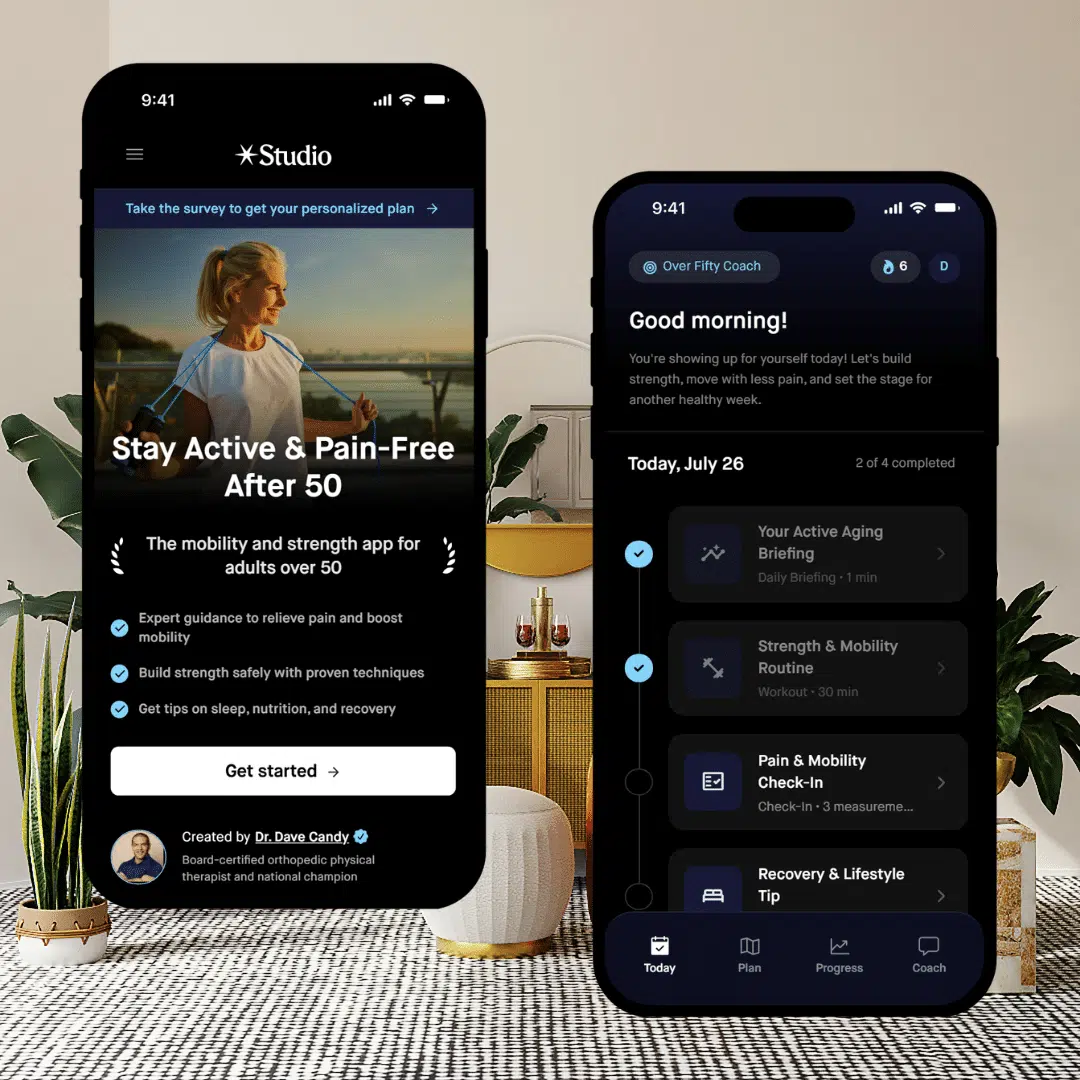
Need Help To Stay Strong and Mobile After 50?
Affiliate Disclosure: This post contains affiliate links to Amazon and/or other sites. While I only recommend products that I trust, as an Amazon Associate, I earn commission from qualifying purchases at no extra cost to you.
Medical Disclaimer: The content on this site is for educational and informational purposes only and is not intended as medical advice. Always consult with a qualified healthcare professional before beginning any new exercise program, diet, or supplement regimen, especially if you have pre-existing health conditions.