
Understanding Leg Length Discrepancies
If you’ve ever been to a chiropractor for back pain, you may have heard them mention that one leg is longer than the other. This common issue can lead to significant discomfort and pain, particularly in the back. Let’s explore the two primary types of leg length discrepancies and how they can affect your back health.
Structural vs. Functional Leg Length Discrepancies
Leg length discrepancies can be classified into two main categories: structural and functional. A structural discrepancy indicates that one leg is actually shorter due to bone growth differences or conditions such as severe arthritis in the hip or knee. In contrast, a functional discrepancy occurs when both legs are the same length, but muscle imbalances or joint dysfunction create the illusion of unequal lengths.
Identifying the Type of Discrepancy
To effectively address your leg length issue, it’s crucial to determine whether it’s structural or functional. Here’s a simple method to measure your legs:
- Use a tape measure to measure from the front of your hip bone (ASIS) to the bump on the inside of your ankle.
- Compare the measurements of both legs.
If you discover a significant difference in lengths, it’s likely a structural issue. However, if the measurements are equal, you may be dealing with a functional discrepancy.
Addressing Structural Leg Length Discrepancies
If you have a structural discrepancy, there are limited options to correct it since bone length cannot be altered without surgery. Instead, you must accommodate for the discrepancy:
- If the difference is less than half an inch, consider using a wedge in your shoe on the shorter leg.
- Alternatively, you can remove the insert from the shoe on the longer leg to help balance your stance.
Coping with Functional Leg Length Discrepancies
In cases of functional discrepancies, the focus should be on correcting the muscle imbalances causing the issue. Common culprits include:
- Sacroiliac joint dysfunction, which may cause one leg to appear longer due to joint rotation.
- Muscle tightness, particularly in the hip flexors or the quadratus lumborum, which can pull the pelvis out of alignment.
Exercises to Correct Muscle Imbalances
To address functional leg length discrepancies, you can perform specific stretches to alleviate tightness:
- Hip Flexor Stretch: Kneel on the floor and roll your pelvis underneath you. Push your hips forward gently until you feel a stretch in the hip flexor.
- Quadratus Lumborum Stretch: While kneeling, raise one arm overhead and lean to the opposite side to stretch the muscle between your rib cage and pelvis.
These stretches can help restore balance and alignment, alleviating potential back pain.
When to Seek Professional Help
If self-corrective measures do not alleviate your discomfort, it may be time to consult a physical therapist. Look for a professional who understands the nuances of both structural and functional leg length discrepancies.
In summary, addressing leg length discrepancies involves understanding the underlying causes and taking appropriate measures to accommodate or correct them. By implementing the suggested stretches and modifications, you can reduce back pain and improve your overall mobility.
Next Steps
Take the time to measure your leg lengths and identify if your issue is structural or functional. Start incorporating the suggested stretches into your routine, and monitor your progress. If symptoms persist, don’t hesitate to reach out to a healthcare professional for further assistance.
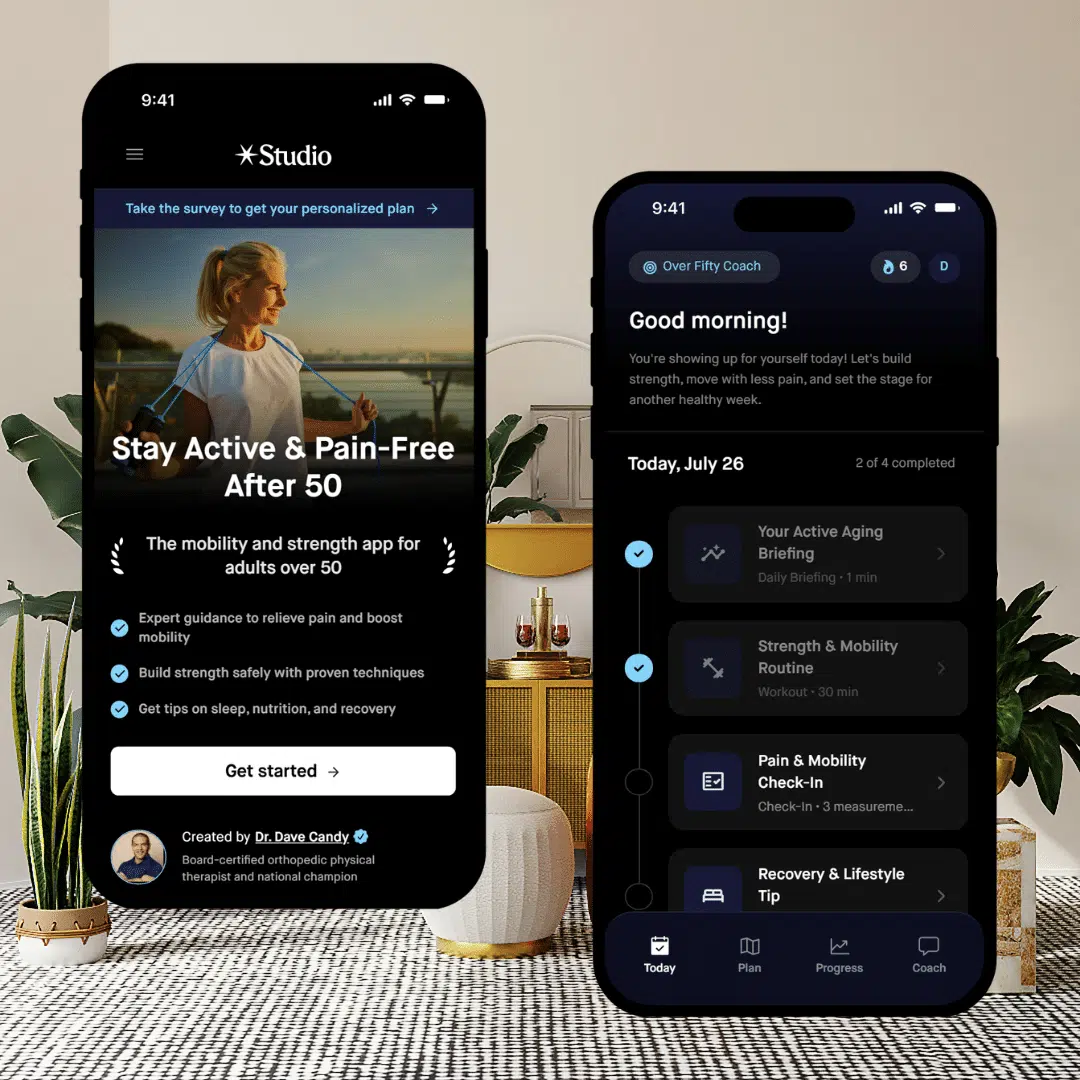
Need Help To Stay Strong and Mobile After 50?
Affiliate Disclosure: This post contains affiliate links to Amazon and/or other sites. While I only recommend products that I trust, as an Amazon Associate, I earn commission from qualifying purchases at no extra cost to you.
Medical Disclaimer: The content on this site is for educational and informational purposes only and is not intended as medical advice. Always consult with a qualified healthcare professional before beginning any new exercise program, diet, or supplement regimen, especially if you have pre-existing health conditions.