
Introduction
Chronic pain can be a debilitating condition affecting your daily life. Developing daily habits to relieve chronic pain can significantly improve your quality of life. In a recent discussion, Dr. Nate Kadlecek, a back pain expert, highlighted the importance of adopting consistent movement routines to combat chronic pain. By incorporating manageable exercises and lifestyle changes, you can regain control over your life and reduce pain symptoms.
The Importance of Consistency in Exercise
One of the key takeaways from Dr. Kadlecek’s insights is the importance of consistency in exercise. Many individuals suffering from chronic pain feel discouraged due to flare-ups or setbacks during their recovery journey. However, establishing a routine can lead to long-term benefits.
Start Small
When beginning an exercise regimen, it’s crucial to start with small, achievable goals. For example, if you can only walk 200 steps, focus on that and gradually increase your distance. Dr. Kadlecek’s experience with his client, Danielle, illustrates this approach well. Initially unable to walk more than 200 steps, she slowly progressed to walking 10,000 steps daily by committing to a consistent routine.
Track Your Progress
Keeping track of your daily activity can help you stay motivated. Use a journal or a mobile app to monitor your steps, exercises, and how you feel each day. This can help you identify patterns and adjust your routine as needed. Celebrate small victories along the way to keep your spirits high.
Understanding Pain and Movement
Many people associate movement with increased pain, leading to a cycle of inactivity. Dr. Kadlecek emphasizes the importance of differentiating between pain and discomfort. While some movements may cause discomfort, they can also lead to improved mobility and strength in the long run.
Addressing Fears Around Movement
It’s essential to address any fears you may have regarding movement. Educate yourself about what is considered normal pain during exercise. This knowledge can help you understand the difference between muscle soreness and chronic pain, allowing you to engage in beneficial exercises without fear.
Incorporating Mindset Changes
Changing your mindset is a critical component of managing chronic pain. Dr. Kadlecek encourages patients to adopt a more analytical perspective when dealing with flare-ups. Instead of panicking, consider what actions you can take to alleviate your discomfort. This might include rest, gentle stretching, or applying heat or ice to painful areas.
Set Realistic Goals
Setting realistic goals is vital in your journey toward relieving chronic pain. Instead of jumping straight to an ambitious target, assess your current abilities. If you’re currently walking 1,000 steps per day, aim for 1,200 steps next week rather than a sudden jump to 10,000 steps. This gradual increase can help you build a sustainable routine.
Daily Habits Beyond Exercise
While movement is essential, other daily habits can help alleviate chronic pain. Dr. Kadlecek mentions journaling as a useful tool for self-reflection and emotional processing. Keeping track of your feelings can help you identify triggers and patterns related to your pain.
Improve Sleep Hygiene
Quality sleep is crucial for recovery and pain management. Establish a consistent sleep routine by going to bed and waking up at the same time each day. Create a calming bedtime ritual and limit screen time before bed to enhance your sleep quality.
Nutrition and Its Role
Nutrition plays a significant role in managing chronic pain. While Dr. Kadlecek is not a nutritionist, he suggests focusing on whole, unprocessed foods. A balanced diet rich in fruits, vegetables, lean proteins, and healthy fats can help reduce inflammation and promote overall health.
Eliminate Processed Foods
Avoiding highly processed foods can lead to better long-term health outcomes. Instead, prioritize natural foods that nourish your body and provide energy. This approach can contribute to lower levels of inflammation, indirectly benefiting your pain management efforts.
Conclusion: Take the First Step
Establishing daily habits to relieve chronic pain requires patience and commitment. Begin with small, manageable steps and gradually build upon them. Remember to track your progress, educate yourself about pain management, and incorporate supportive habits like journaling and improved nutrition. By making these changes, you can create a more fulfilling and pain-free life.
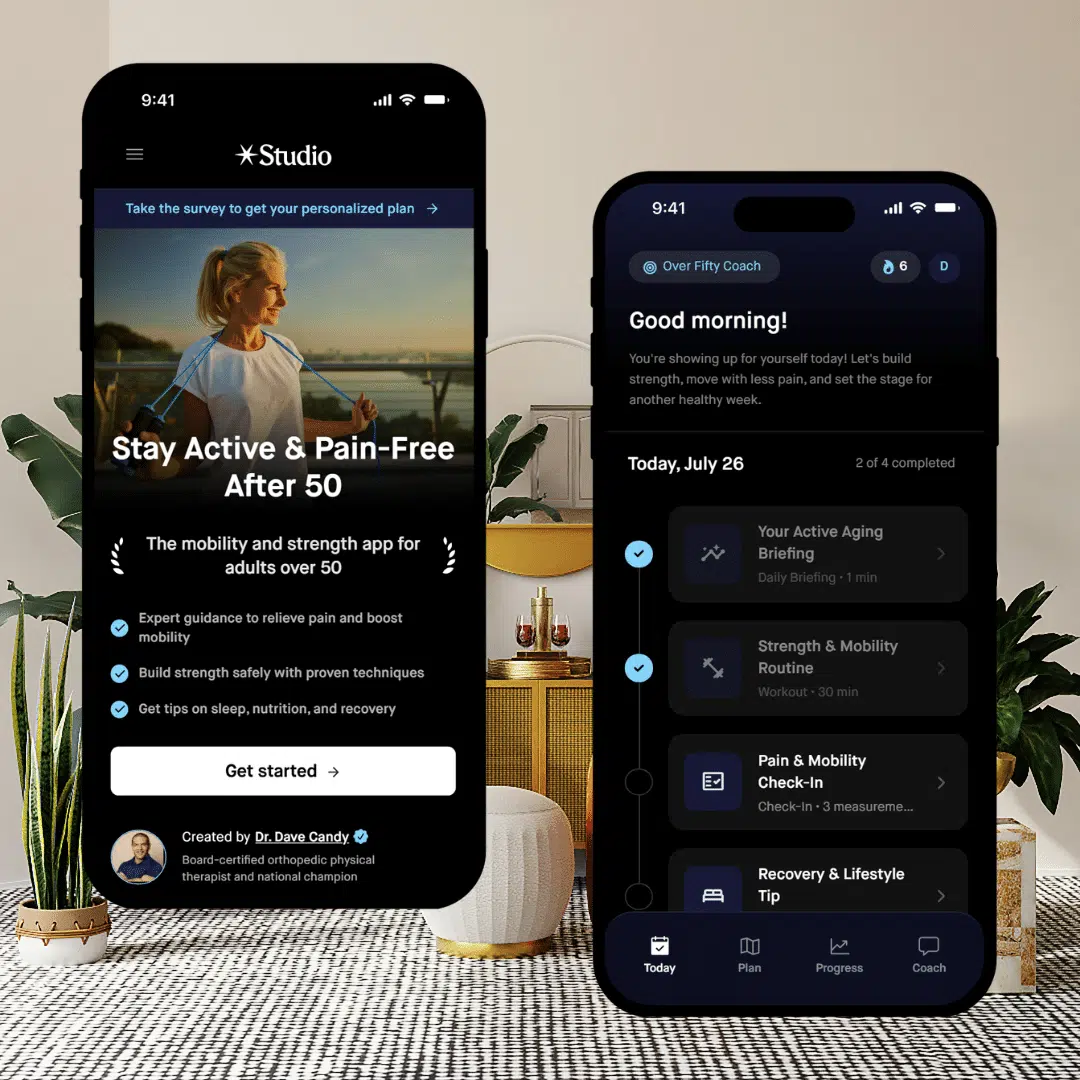
Need Help To Stay Strong and Mobile After 50?
Affiliate Disclosure: This post contains affiliate links to Amazon and/or other sites. While I only recommend products that I trust, as an Amazon Associate, I earn commission from qualifying purchases at no extra cost to you.
Medical Disclaimer: The content on this site is for educational and informational purposes only and is not intended as medical advice. Always consult with a qualified healthcare professional before beginning any new exercise program, diet, or supplement regimen, especially if you have pre-existing health conditions.