
Understanding Hamstring Pain vs. Sciatica
Do you suffer from persistent hamstring pain that just won’t quit? If so, it might be sciatica instead. This blog post will help you uncover the true cause of your pain and share some actionable tips to relieve it.
Identifying the Source of Your Pain
First, it’s essential to determine whether your hamstring pain is the result of a hamstring injury or sciatica. Typically, hamstring injuries occur during high-force activities, like sprinting. If you woke up one morning with sore or tight hamstrings, or if the pain has been gradually building over time, it is more likely related to sciatica.
Another indicator is if you have a history of back pain or experience associated symptoms such as buttock pain or numbness in your leg. These symptoms are more likely due to a nerve root problem in your lower back rather than a true hamstring strain.
Using the Slump Test
The slump test is a useful method for determining the cause of your hamstring pain. To perform this test, sit in a chair, slump over, and clasp your hands behind your back. Bring your chin toward your chest to tension your spinal cord and nervous system.
Next, straighten your leg. If you feel a stretch, it could indicate either a hamstring issue or sciatica. However, if moving your foot affects your hamstring pain, it is likely a nerve problem, as your hamstrings do not connect to your ankle.
Common Mistakes to Avoid
When managing hamstring pain, there are common mistakes to avoid. One of the most frequent missteps is stretching the hamstrings. While it may seem logical to stretch a sore muscle, doing so can exacerbate the injury. Hamstring strains are often caused by overstretching, so avoid further stretching if you are already in pain.
Similarly, if you have sciatica, stretching the affected area can create more tension on the sciatic nerve, aggravating your symptoms. Instead, focus on gentle movements that promote blood flow without overstressing the nerve.
Effective Relief Techniques
One effective approach is performing nerve glides. This technique involves gently moving your leg back and forth within a pain-free range. This movement helps the nerve move through the tissues, which is crucial for nerve health.
If you have a hamstring issue, you should still encourage movement to decrease fear associated with using the muscle. Gentle leg movements can help restore confidence and function.
Foam Rolling: Use with Caution
Another common mistake is foam rolling directly over the painful area of the hamstring. While it may be beneficial to roll on non-painful areas, avoid rolling over the injured section. Instead, consider using a foam roller on your quadriceps or other muscle groups to relieve tension that may be affecting your hamstrings.
Addressing Hip Flexor Tightness
Tight hip flexors can contribute to hamstring pain and sciatica. Use a foam roller to target stiffness in your quadriceps, which can relieve pressure on your hamstrings. Additionally, consider using a soaz release tool to relax hip flexors that may be contributing to nerve irritation.
When stretching your hip flexors, use a kneeling position, ensuring your pelvis is rolled underneath you to avoid arching your lower back. This position allows you to stretch both the iliopsoas and the rectus femoris effectively.
Strengthening Your Glutes
Strengthening your glutes is essential for reducing hamstring pain and improving overall function. Strong glutes counteract tight hip flexors and support the hamstrings during movement. Perform exercises like bridges to strengthen your glute muscles.
To do a bridge, lie on your back with your feet flat on the ground. Perform a pelvic tilt to flatten your lower back, then lift your bottom while squeezing your glutes. This exercise not only strengthens your glutes but also opens spaces in your lower back.
Reintroducing Hamstring Strength
Eventually, you will need to strengthen your hamstrings as well. Eccentric exercises like straight leg deadlifts can help retrain your muscles to bend properly. Start the movement by pushing your hips back, engaging your hamstrings and glutes, and lowering to a comfortable position.
Remember to keep these movements pain-free and gradually increase repetitions as you regain strength and confidence in your hamstrings.
Next Steps
In conclusion, if your hamstring pain persists, it may be a sign of sciatica rather than just a muscle strain. Avoid common mistakes like stretching sore muscles and instead focus on nerve glides and strengthening exercises. If symptoms continue, consider consulting a healthcare professional for personalized guidance and treatment options.
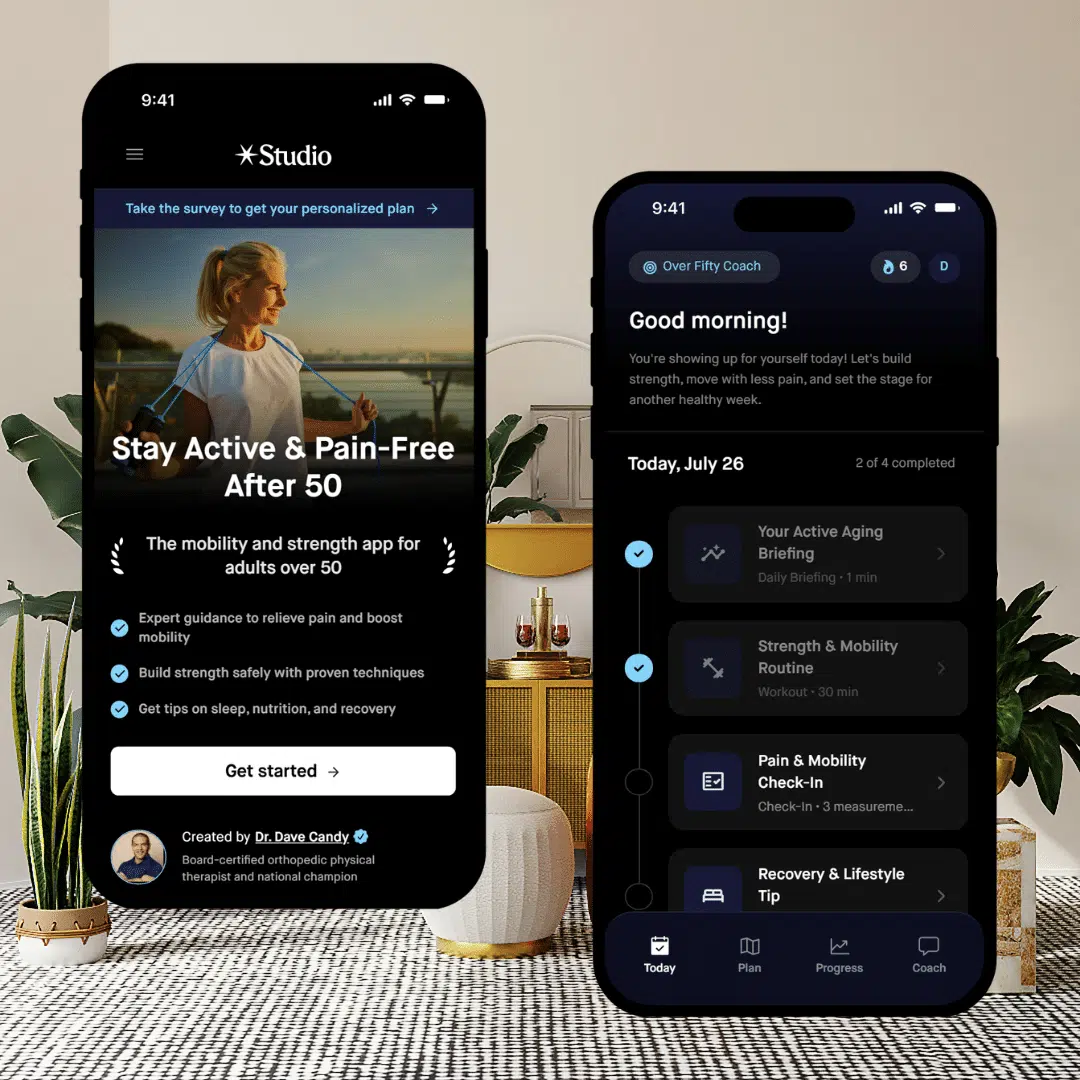
Need Help To Stay Strong and Mobile After 50?
Affiliate Disclosure: This post contains affiliate links to Amazon and/or other sites. While I only recommend products that I trust, as an Amazon Associate, I earn commission from qualifying purchases at no extra cost to you.
Medical Disclaimer: The content on this site is for educational and informational purposes only and is not intended as medical advice. Always consult with a qualified healthcare professional before beginning any new exercise program, diet, or supplement regimen, especially if you have pre-existing health conditions.