
Introduction
Many individuals over the age of 60, especially those with spinal stenosis or degenerative disc disease, struggle with standing and walking for extended periods. These difficulties can significantly impact daily activities and overall quality of life. However, with the right strategies, it’s possible to stand and walk longer without pain in your back or legs.
Understanding the Problem
The primary challenge for those with spinal stenosis or degenerative disc disease is the narrowing of spaces where nerves exit the lower back, often exacerbated by poor posture. As we age, spinal discs can dry out, and compensatory movements can lead to further discomfort.
Common Mistakes
Many people are conditioned to “stand up straight,” but this can lead to excessive arching of the lower back. This posture can jam the lower back joints together, causing pain. Additionally, standing with an anterior pelvic tilt can shift your center of gravity and increase the demands on your back muscles.
Tips for Standing Comfortably
To improve your ability to stand, it’s essential to balance your center of gravity over your feet. Here are some actionable tips:
1. Pelvic Tilt Technique
Stand with your feet shoulder-width apart. Gently roll your pelvis under you to flatten your lower back and push your hips slightly forward. This position helps align your spine and reduces strain.
2. Stretching Your Hip Flexors
Tight hip flexors can significantly impact your posture. To stretch them, adopt a staggered stance. Push your hips forward while maintaining a flat lower back. Hold for about a minute to lengthen the hip flexors effectively.
3. Wall Exercise
Stand against a wall, ensuring your lower back is flat against it. It’s normal for your upper back to round slightly. This exercise helps you learn to stabilize your lower back while allowing for some upper back extension.
Improving Your Walking Mechanics
Walking requires a different approach than standing. Here are some tips to ensure you walk longer without pain:
1. Leaning Forward
As you walk, lean your trunk slightly forward to encourage forward motion. This helps keep your center of gravity in front of your feet, promoting a smoother walking pattern.
2. Proper Foot Push-Off
Focus on pushing off from your toes as you take a step. This engages your glutes and helps maintain a neutral spine position. Try to avoid overstriding, which can lead to lumbar extension and increased discomfort.
3. Utilizing Assistive Devices
If pain persists, consider using a cane or a wheeled walker. While some may feel self-conscious, these devices can significantly reduce spinal compression, allowing you to engage in activities you enjoy.

Additional Support with Braces
Back braces can offer extra support for those with spinal stenosis or degenerative disc disease. One effective option is the DDS300 belt, which provides vertical lift and reduces pressure on the spine.

Conclusion
Standing and walking longer without pain in your back or legs is achievable with the right techniques and tools. Start by incorporating the exercises and tips outlined above to improve your posture and mobility. If challenges persist, consulting with a healthcare professional for personalized strategies may be beneficial.
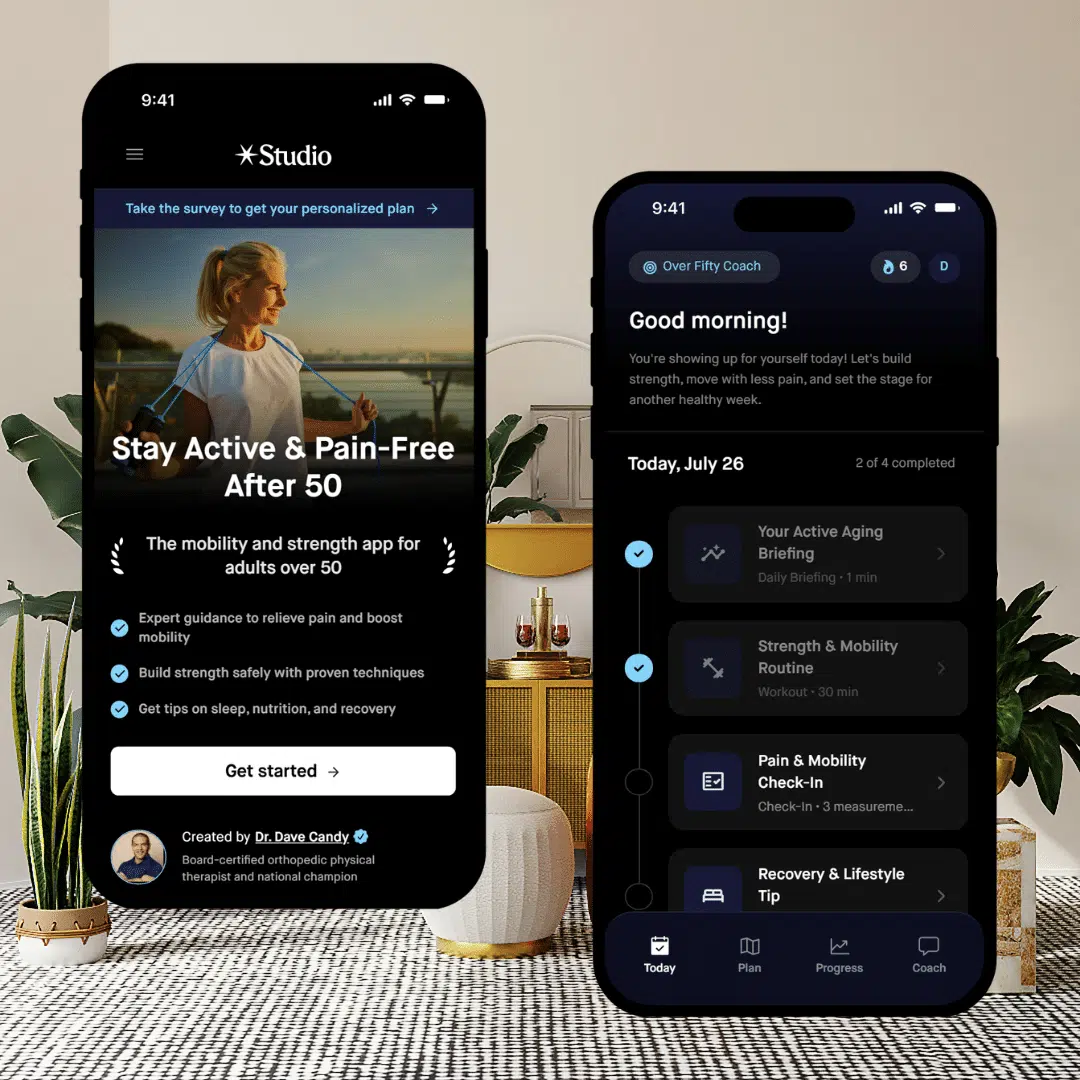
Need Help To Stay Strong and Mobile After 50?
Affiliate Disclosure: This post contains affiliate links to Amazon and/or other sites. While I only recommend products that I trust, as an Amazon Associate, I earn commission from qualifying purchases at no extra cost to you.
Medical Disclaimer: The content on this site is for educational and informational purposes only and is not intended as medical advice. Always consult with a qualified healthcare professional before beginning any new exercise program, diet, or supplement regimen, especially if you have pre-existing health conditions.