
Understanding Hamstring Pain and Sciatica
If you’re struggling with persistent hamstring pain that refuses to subside, it’s crucial to determine whether the source of your discomfort is a hamstring injury or a condition known as sciatica. While hamstring injuries can occur during high-force activities, such as sprinting, many people report tightness or soreness that develops gradually or upon waking. This often indicates that sciatica may be the underlying issue.
Identifying the Source of Your Pain
To differentiate between a hamstring injury and sciatica, consider the following factors:
- History of Back Pain: If you have a history of back pain or experience associated symptoms like buttock pain and numbness in your leg, it’s likely you are dealing with sciatica.
- The Slump Test: This simple test can help identify nerve issues. Start by sitting in a chair, slumping over, and clasping your hands behind your back. Bring your chin down toward your chest, then straighten your leg. If you feel increased pain when moving your foot or head, it’s likely a nerve problem.
Common Mistakes in Managing Hamstring Pain
Many individuals make common mistakes when attempting to relieve hamstring pain or sciatica. Here are two key errors to avoid:
- Stretching the Hamstrings: Stretching can be counterproductive, as hamstring injuries typically result from overstretching. Stretching could further irritate a pinched nerve in cases of sciatica.
- Foam Rolling: Rolling over the painful area can exacerbate an injury. Instead, consider foam rolling non-painful areas or counterbalancing muscle groups like the quadriceps.
Effective Strategies for Relief
Here are actionable steps you can take to alleviate hamstring pain:
- Nerve Glides: Gently move your leg back and forth within a pain-free range to help the nerve move through tissues and improve blood flow.
- Foam Rolling on Non-Painful Areas: Focus on rolling the quadriceps or other areas that are not injured to help relieve tension.
- Hip Flexor Stretching: Stretch your hip flexors in a kneeling position to alleviate tightness. Roll your pelvis under before pushing your hips forward to feel a nice stretch.
Strengthening Exercises for Long-Term Relief
Strengthening specific muscle groups can help prevent future issues:
- Bridges: This exercise strengthens your glutes and hamstrings. Lie on your back, flatten your lower back, and lift your pelvis without arching your lower back.
- Hip Hinge or Deadlifts: To strengthen your hamstrings eccentrically, practice the hip hinge movement. Push your hips back to lower your body while keeping a neutral spine.
Seeking Professional Guidance
If you’re struggling with persistent hamstring pain, it’s advisable to consult a healthcare professional. They can help tailor a treatment plan that addresses your specific needs. Whether your pain arises from a hamstring injury or sciatica, seeking expert advice can provide you with effective strategies for recovery.
Conclusion
Understanding the difference between hamstring injuries and sciatica is essential for effective treatment. By avoiding common mistakes and focusing on strengthening exercises, you can manage your pain more effectively. Remember, if your symptoms persist, professional guidance is key to regaining your mobility and comfort.
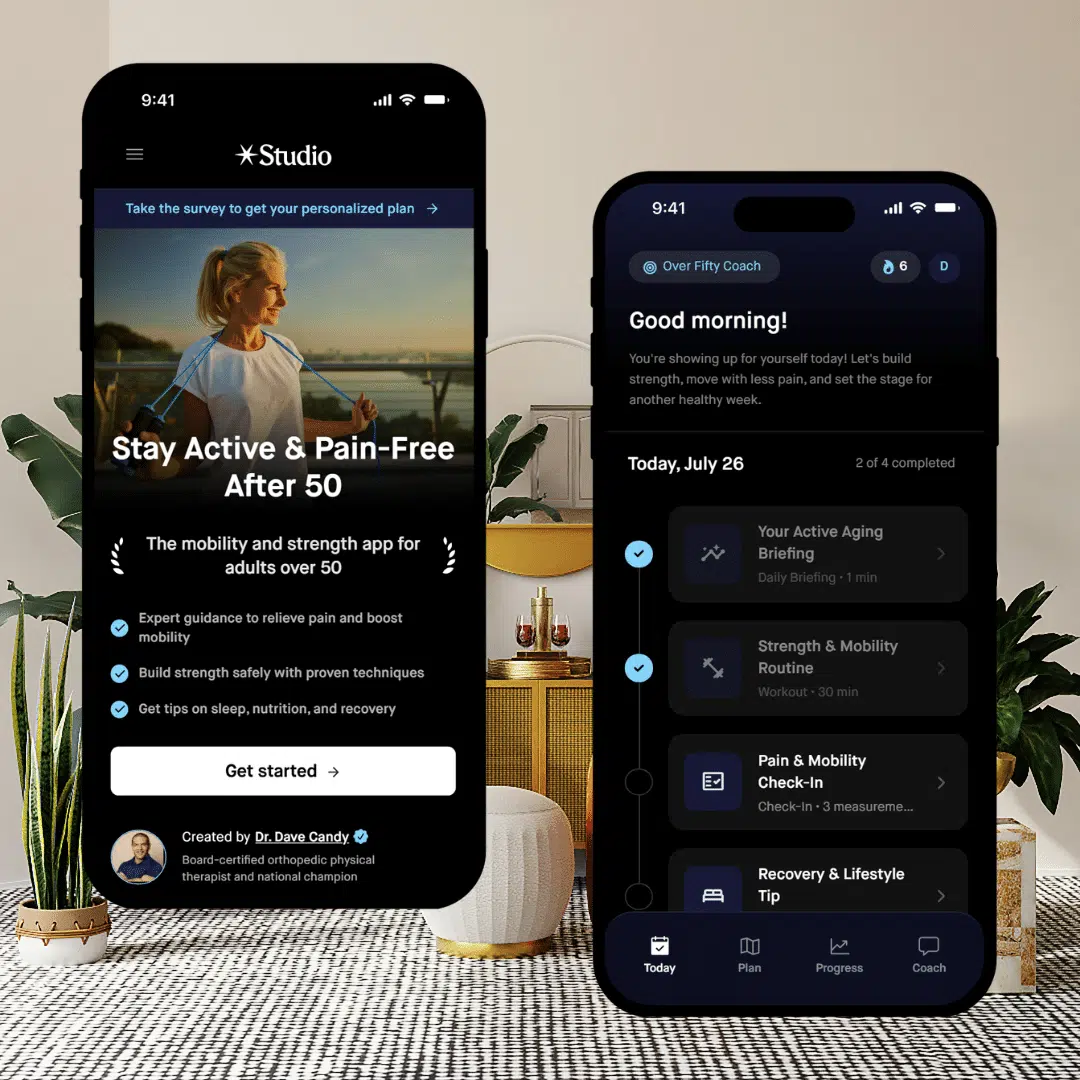
Need Help To Stay Strong and Mobile After 50?
Affiliate Disclosure: This post contains affiliate links to Amazon and/or other sites. While I only recommend products that I trust, as an Amazon Associate, I earn commission from qualifying purchases at no extra cost to you.
Medical Disclaimer: The content on this site is for educational and informational purposes only and is not intended as medical advice. Always consult with a qualified healthcare professional before beginning any new exercise program, diet, or supplement regimen, especially if you have pre-existing health conditions.