
Introduction
Knee arthritis can significantly impact your mobility and quality of life. If you’re aiming to avoid knee replacement surgery, understanding the root cause of your knee pain is essential. In this post, we will explore five crucial tips to help you manage knee arthritis effectively and potentially avoid the need for surgery.
Tip 1: Confirm the Source of Your Knee Pain
Before considering knee replacement surgery, it’s vital to ensure that your knee pain is actually stemming from arthritis. Many people with knee arthritis may not experience pain, while others may have pain caused by different structures such as muscles, tendons, or ligaments. Hence, pinpointing the true source of your discomfort is critical.
Pay attention to the location of your pain. If it feels deep inside your joint or behind the kneecap, it is more likely related to arthritis. However, pain on the inner or outer sides of the knee might indicate other issues.
How to Identify the Pain Source
To assess whether your pain is joint-related, you can try bending or straightening your knee fully. If you can do this without significant pain, a knee replacement might not be necessary just yet.
Tip 2: Limit Twisting Movements
Your knee joint primarily moves forwards and backwards. Excessive twisting can grind the arthritic surfaces together, causing inflammation and pain. Activities such as tennis, golf, or even certain dance moves may exacerbate this twisting motion.
Learning modifications for these activities can help you enjoy them while protecting your knee. This may include adjusting your stance or learning specific techniques that reduce knee strain.
Tip 3: Address Overpronation
Overpronation, or the excessive flattening of the foot, can lead to improper knee alignment. This is often not just a knee issue but relates to your foot and ankle mechanics.
To combat overpronation, focus on strengthening your foot muscles and improving calf flexibility. Weak foot muscles can fail to support your arch, causing your knee to turn inward.
Exercises to Strengthen Your Feet and Calves
- Arch Maintenance: While standing, pull the ball of your foot toward your heel, slightly scrunching your toes to maintain your arch.
- Calf Stretches: Stretch your calves while keeping your arch domed and your heel flat. Hold the stretch for at least 90 seconds for best results.
Tip 4: Strengthen Your Glutes
Weak glute muscles can contribute to knee pain. The gluteus medius and minimus play a crucial role in stabilizing the knee during movement. Strengthening these muscles can help maintain proper knee alignment.
Practice standing on one foot to improve balance and strengthen your glutes. If needed, hold onto a stable surface for support until you feel confident enough to do it independently.
Tip 5: Walk More, But Walk Smart
Walking is an excellent exercise for knee health, as it promotes cartilage health and lubricates the joint. However, if you’re experiencing pain, it’s important to modify your walking technique.
Taking shorter steps can minimize the strain on your knees while still allowing you to walk longer distances. Additionally, consider using a cane or walker temporarily to reduce twisting movements while you build strength.
Conclusion
By following these five tips, you can effectively manage knee arthritis and potentially avoid knee replacement surgery. Remember to identify the source of your pain, limit twisting, strengthen your feet and glutes, and adapt your walking technique. If you have concerns about your knee health, consult with a healthcare provider to develop a personalized plan.
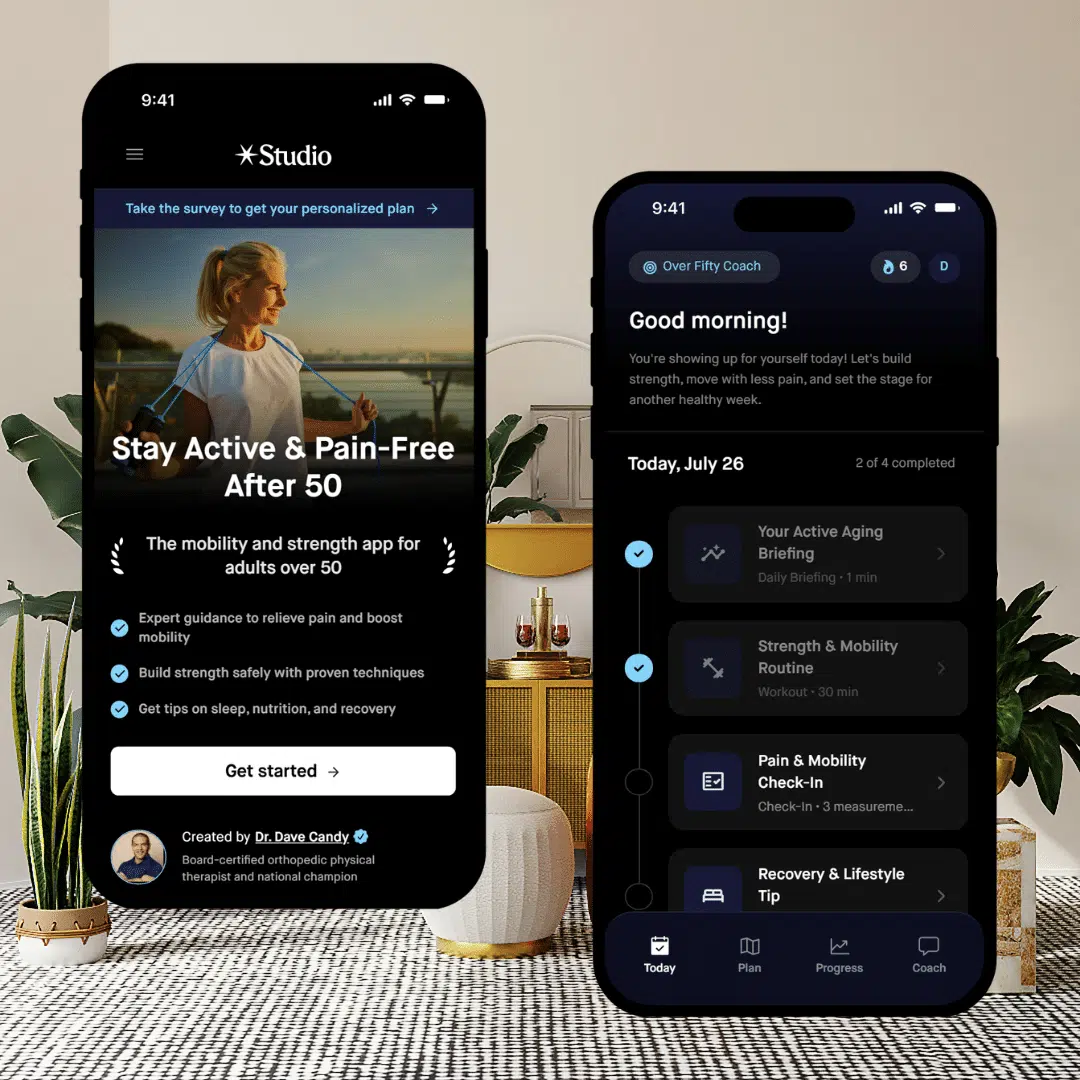
Need Help To Stay Strong and Mobile After 50?
Affiliate Disclosure: This post contains affiliate links to Amazon and/or other sites. While I only recommend products that I trust, as an Amazon Associate, I earn commission from qualifying purchases at no extra cost to you.
Medical Disclaimer: The content on this site is for educational and informational purposes only and is not intended as medical advice. Always consult with a qualified healthcare professional before beginning any new exercise program, diet, or supplement regimen, especially if you have pre-existing health conditions.